Category: Breakfast

Easy Mediterranean Shakshuka with Feta

Easy Mediterranean Shakshuka with Feta

Easy Mediterranean Shakshuka with Feta

If you’re looking for ways to incorporate more heart-healthy foods into your morning—and add a little more spice and interest beyond the same old scrambled eggs—I highly recommend adding shakshuka to your breakfast rotation.
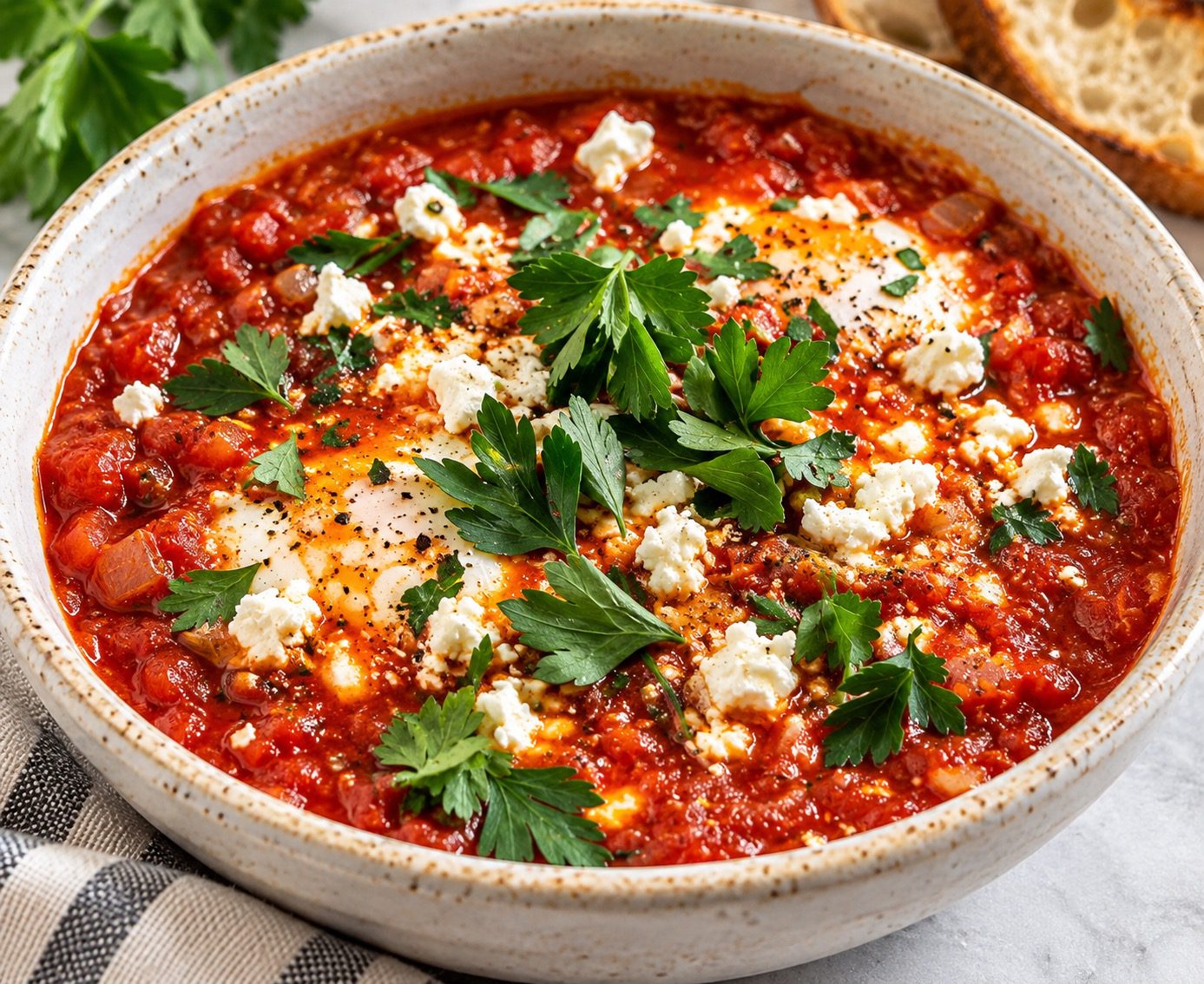
This saucy, savory and satisfying dish features eggs gently poached in a rich tomato sauce with onions, garlic, extra-virgin olive oil, cumin and paprika, then finished with creamy feta and fresh parsley.
It’s a delicious example of how Mediterranean-style eating can be both incredibly flavorful and nutrient-dense. Tomatoes provide lycopene and other antioxidants, extra-virgin olive oil contributes heart-healthy unsaturated fats, and eggs add high-quality protein along with nutrients including choline.
And while I love it for breakfast, shakshuka is just as good for brunch, lunch or a quick weeknight dinner.
Scoop it up with crusty whole-grain or gluten-free bread, or serve it alongside sautéed greens for an extra serving of vegetables.
Servings: 2
Course: Breakfast, Main Course

Ingredients
  

  • 1 tablespoon extra-virgin olive oil
  • 1 small onion diced
  • 2 cloves garlic minced
  • 1 teaspoon paprika
  • ½ teaspoon ground cumin
  • ½ teaspoon sea salt or to taste
  • ¼ teaspoon freshly ground black pepper
  • 2 cups canned diced tomatoes
  • 3 large eggs
  • ¼ cup crumbled feta cheese
  • 2 tablespoons chopped fresh parsley

Method
 

  1. Sauté the aromatics. Heat the extra-virgin olive oil in a medium skillet over medium heat. Add the diced onion and cook for about 5 minutes, stirring occasionally, until softened.
  2. Add the spices. Stir in the garlic, paprika, cumin, salt and black pepper. Cook for about 30 seconds, just until fragrant.
  3. Build the sauce. Add the diced tomatoes and their juices. Bring to a gentle simmer and cook uncovered for 8–10 minutes, stirring occasionally, until the tomatoes break down and the sauce thickens slightly.
  4. Add the eggs. Use the back of a spoon to make three small wells in the tomato mixture. Crack one egg into each well.
  5. Cover and cook. Cover the skillet and cook for approximately 5–7 minutes, or until the egg whites are set and the yolks have reached your preferred doneness.
  6. Finish with feta. Remove the skillet from the heat and sprinkle the crumbled feta over the shakshuka.
  7. Garnish and serve. Finish with plenty of fresh parsley and additional black pepper. Serve immediately.

Notes

Estimated Nutrition Facts

Per serving, based on 2 servings and excluding bread:
  • Calories: ~330
  • Protein: ~17 g
  • Carbohydrates: ~18 g
  • Dietary Fiber: ~4 g
  • Total Fat: ~22 g
  • Saturated Fat: ~7 g
  • Total Sugars: ~10 g
  • Sodium: ~900 mg
No-Bake Oatmeal Energy Balls

No-Bake Oatmeal Energy Balls

No-Bake Oatmeal Energy Balls

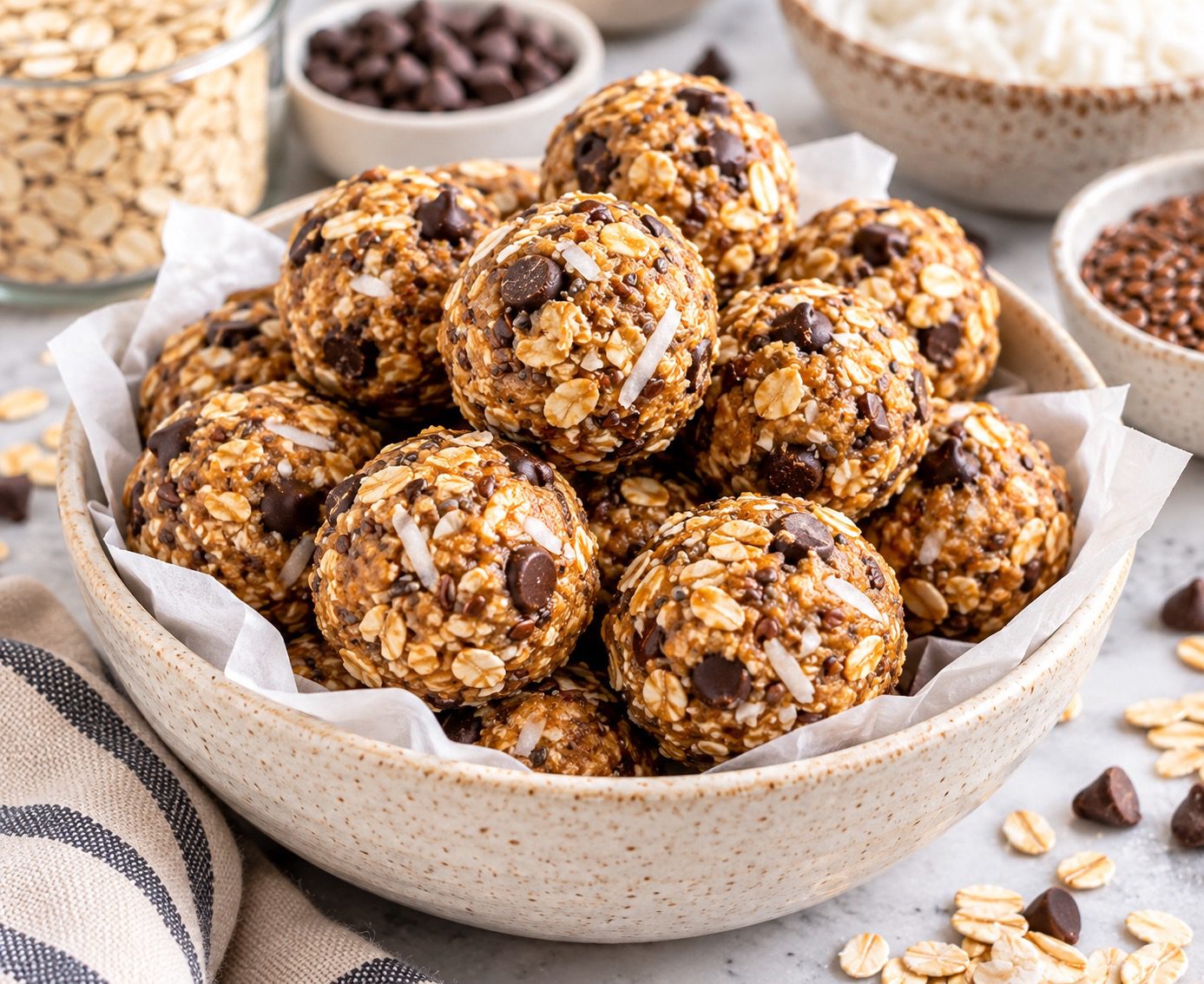
I can’t make these energy balls fast enough when I’m on campus visiting the students at MIT! Nutrient-dense, high in fiber and packed with plant-based ingredients, they’re the perfect grab-and-go snack for powering through a busy afternoon or study session—no baking required.
Made with rolled oats, flax and chia seeds, coconut, nut butter and dark chocolate, these little bites provide a satisfying combination of carbohydrates, fiber, protein and healthy fats.
Just mix, roll and snack.
Servings: 24
Course: Snack

Ingredients
  

  • 2 cups rolled oats
  • 1 cup ground flaxseed
  • 2 tablespoons chia seeds
  • 1⅓ cups unsweetened shredded coconut
  • 1 cup natural peanut butter or nut butter of choice
  • ⅔ cup honey
  • 1 cup dark chocolate chips
  • 2 teaspoons vanilla extract
  • Pinch of sea salt optional

Method
 

  1. Add the rolled oats, ground flaxseed, chia seeds and shredded coconut to a large mixing bowl. Stir to combine.
  2. Add the nut butter, honey and vanilla. Mix thoroughly until all of the dry ingredients are evenly coated.
  3. Fold in the dark chocolate chips.
  4. Refrigerate the mixture for about 30–60 minutes. Chilling makes it easier to roll.
  5. Using a small cookie scoop or your hands, portion the mixture and roll into approximately 1-inch balls.
  6. Store in an airtight container in the refrigerator for up to 1 week or freeze for longer storage.

Notes

Estimated Nutrition Facts

Per energy ball, based on 24 balls:
  • Calories: ~160
  • Protein: ~5 g
  • Carbohydrates: ~16 g
  • Dietary Fiber: ~3 g
  • Total Fat: ~9 g
  • Saturated Fat: ~2–3 g
  • Total Sugars: ~8 g
Nutrition information is an estimate and will vary depending on the nut butter, coconut and dark chocolate used.
High-Protein Nut & Seed Breakfast Cereal

High-Protein Nut & Seed Breakfast Cereal

High-Protein Nut & Seed Breakfast Cereal

Looking to add some variety to your breakfast rotation? No time to cook?
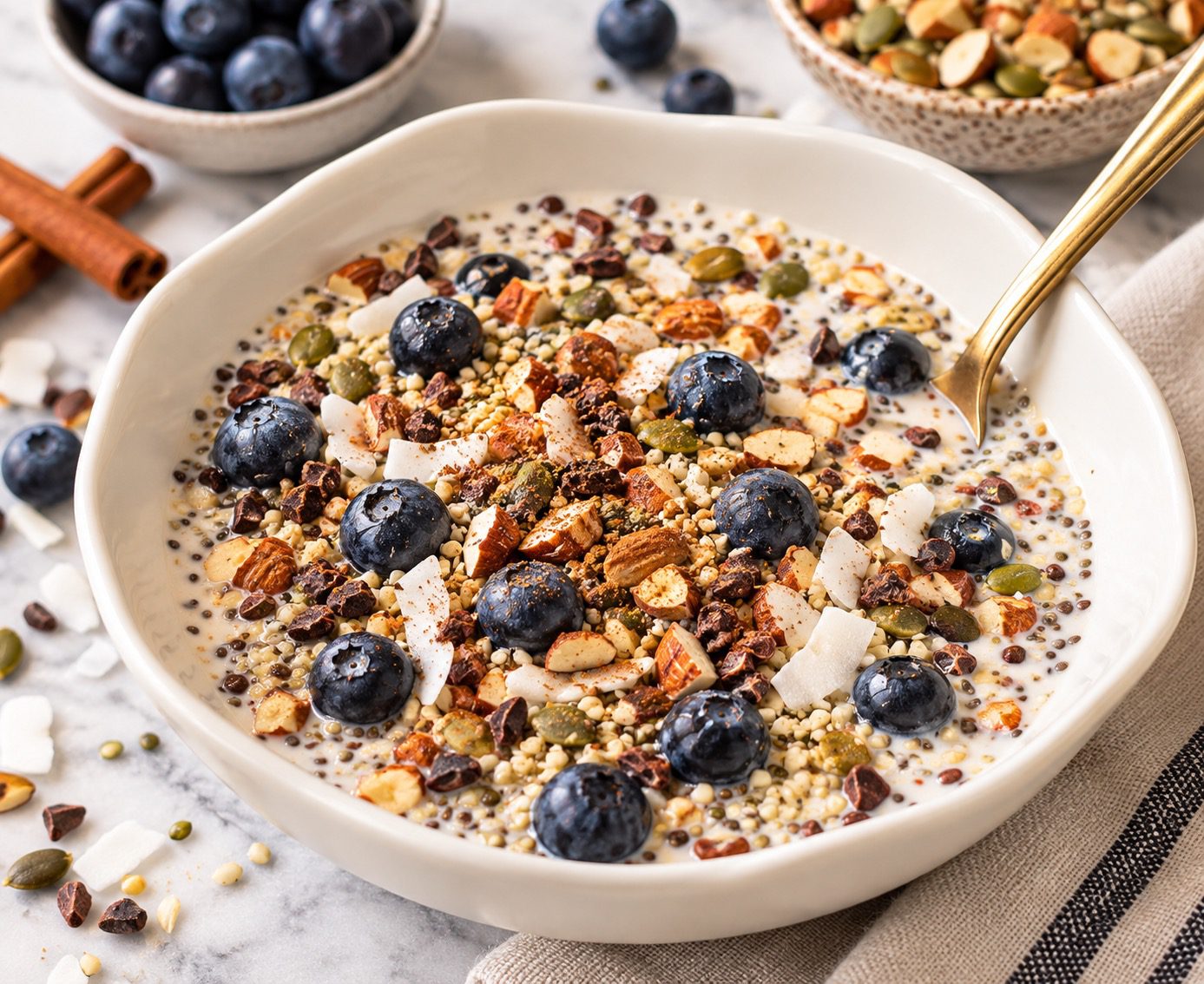
This High-Protein Nut & Seed Breakfast Cereal is one of my favorite alternatives to traditional cereal. Instead of a bowl built primarily around refined carbohydrates, this combination of hemp, pumpkin, chia and almonds delivers plant-based protein, fiber and healthy fats to help make breakfast more satisfying.
Add blueberries for natural sweetness and antioxidants, cacao nibs for a little chocolatey crunch, and your favorite unsweetened milk. For an additional protein boost, mix in collagen peptides or a plant-based protein powder.
It takes about five minutes to make, requires absolutely no cooking and works just as well for a quick breakfast as it does for an afternoon snack.
Servings: 1
Course: Breakfast, Snack

Ingredients
  

  • 2 tablespoons hemp seeds
  • 2 tablespoons pumpkin seeds
  • 2 tablespoons almonds chopped or sliced
  • 1 tablespoon chia seeds
  • 1 tablespoon cacao nibs
  • 1 tablespoon unsweetened coconut flakes optional
  • ½ teaspoon ground cinnamon
  • Pinch of sea salt
  • ¼ cup fresh blueberries
  • ¾ –1 cup unsweetened almond milk or milk of choice

Method
 

  1. Add the hemp seeds, pumpkin seeds, almonds, chia seeds, cacao nibs and optional coconut flakes to a cereal bowl.
  2. Sprinkle with cinnamon and a small pinch of sea salt and stir to combine.
  3. Add the blueberries.
  4. Pour ¾–1 cup of unsweetened almond milk over the mixture.
  5. If using collagen peptides or protein powder, whisk it into the milk before pouring it over the cereal for the smoothest consistency.
  6. Enjoy immediately for maximum crunch, or let the cereal sit for 5–10 minutes if you prefer the chia seeds to soften and thicken the milk slightly.

Notes

Estimated Nutrition Facts

Per serving, made with ¾ cup unsweetened almond milk and 1 tablespoon unsweetened coconut:
  • Calories: ~440
  • Protein: ~19 g
  • Carbohydrates: ~24 g
  • Dietary Fiber: ~10 g
  • Total Fat: ~34 g
  • Saturated Fat: ~7 g
  • Total Sugars: ~5 g
Grain Free Coconut Granola

Grain Free Coconut Granola

Grain-Free vs. Traditional Granola: Which Is Right for You?

Granola is a breakfast and snack staple—but not all granolas work the same way in the body. One of the most common questions I hear is whether grain-free granola is actually better than traditional oat-based granola.

The short answer? It depends on your body, your goals, and how you’re using it.

Let’s break it down so you can decide what makes the most sense for you.


Why Some People Choose Grain-Free Granola

Grain-free granolas are typically made with nuts, seeds, and coconut instead of oats or other grains. This changes how they digest and how they impact blood sugar.

1. Blood Sugar Stability

Grain-free granola is naturally lower in carbohydrates and higher in fat and fiber. For many people, this means:

  • Fewer blood sugar spikes
  • Less mid-morning energy crash
  • Better appetite control

This can be especially helpful for individuals with:

  • Insulin resistance or prediabetes
  • PCOS
  • Perimenopause or menopause
  • A history of feeling shaky or hungry soon after carb-heavy breakfasts

2. Digestive Comfort

Even gluten-free oats can be irritating for some people.

Grain-free granola may be a better fit if you experience:

  • Bloating or gas after eating grains
  • IBS symptoms triggered by oats
  • Sensitivity to gluten (even without celiac disease)
  • The need for a short-term elimination diet

Because it skips grains altogether, many people find grain-free granola easier on their gut.


3. Longer-Lasting Fullness

Grain-free granola tends to be more calorie-dense, but also more satiating.

Thanks to its higher fat content:

  • Smaller portions feel satisfying
  • Hunger stays away longer
  • It works well as a topping rather than a bowl-sized serving

This can be useful for anyone trying to reduce constant snacking or manage cravings.


4. Simpler Ingredient Lists

Homemade or minimally processed grain-free granolas often avoid:

  • Refined flours
  • Added fillers
  • Industrial seed oils

This makes them appealing for people who prefer whole-food ingredients and less processing overall.


Why Traditional Oat-Based Granola Still Has a Place

Grain-free doesn’t automatically mean better for everyone. Traditional granola—especially when made with quality ingredients—can absolutely be part of a healthy diet.

1. Gut-Healthy Fiber

Oats contain beta-glucan, a type of soluble fiber that can:

  • Support gut health
  • Help lower LDL cholesterol
  • Improve insulin sensitivity in some people

For those who tolerate oats well, this fiber can be a real benefit.


2. Better Fuel for Active Lifestyles

Traditional granola provides more carbohydrates, which can be helpful for:

  • Athletes
  • Dancers
  • Runners
  • Highly active teens or college students

In these cases, the extra carbs support energy demands rather than causing crashes.


3. More Affordable and Accessible

Oats are widely available and budget-friendly, making traditional granola:

  • Easier to find
  • Less expensive to make or buy
  • Familiar and comforting

For many people, this makes oat-based granola a practical choice.


Grain-Free vs. Traditional: A Quick Comparison

Grain-Free GranolaTraditional Granola
Lower carbohydrateHigher carbohydrate
Higher fatHigher fiber
Smaller portion sizeLarger portion size
Blood sugar friendlyEnergy boosting

Neither option is “better”—the best choice depends on how your body responds.


How I Recommend Using Granola

Rather than thinking of granola as a cereal, I often suggest:

  • Grain-free granola as a topping or snack
  • Traditional granola as fuel or part of a balanced meal

Whichever you choose, pairing granola with protein (Greek yogurt, skyr, soy yogurt) and fiber (berries, chia, flax) helps create better blood sugar balance and longer-lasting energy.


The Bottom Line

Choosing between grain-free and traditional granola isn’t about rules—it’s about listening to your body.

If you feel better with stable energy and smaller portions, grain-free may be a great fit. If you tolerate oats well and need more fuel, traditional granola can absolutely work.

The best granola is the one that supports your digestion, energy, and lifestyle.


If you’d like help choosing or making a granola that fits your health goals, feel free to reach out or explore my favorite recipes and nutrition resources.

Grain Free Coconut Granola

Servings: 8
Course: Breakfast

Ingredients
  

  • 1½ cups flaked coconut
  • ½ cup raw almonds roughly chopped
  • ½ cup cashews roughly chopped
  • ½ cup walnuts roughly chopped
  • ½ cup pumpkin seeds
  • 1 tbsp flax seeds
  • 1 tsp cinnamon
  • ½ tsp sea salt
  • ¼ cup maple syrup
  • 1 tbsp olive oil
  • 1 tsp vanilla

Method
 

  1. Preheat oven to 320 convection. Line a baking sheet with parchment paper.
  2. Add dry ingredients to a bowl and mix well.
  3. Add wet ingredients to a small bowl and stir to combine.
  4. Pour over dry ingredients and stir WELL to combine.
  5. Spread in an even layer onto parchment paper.
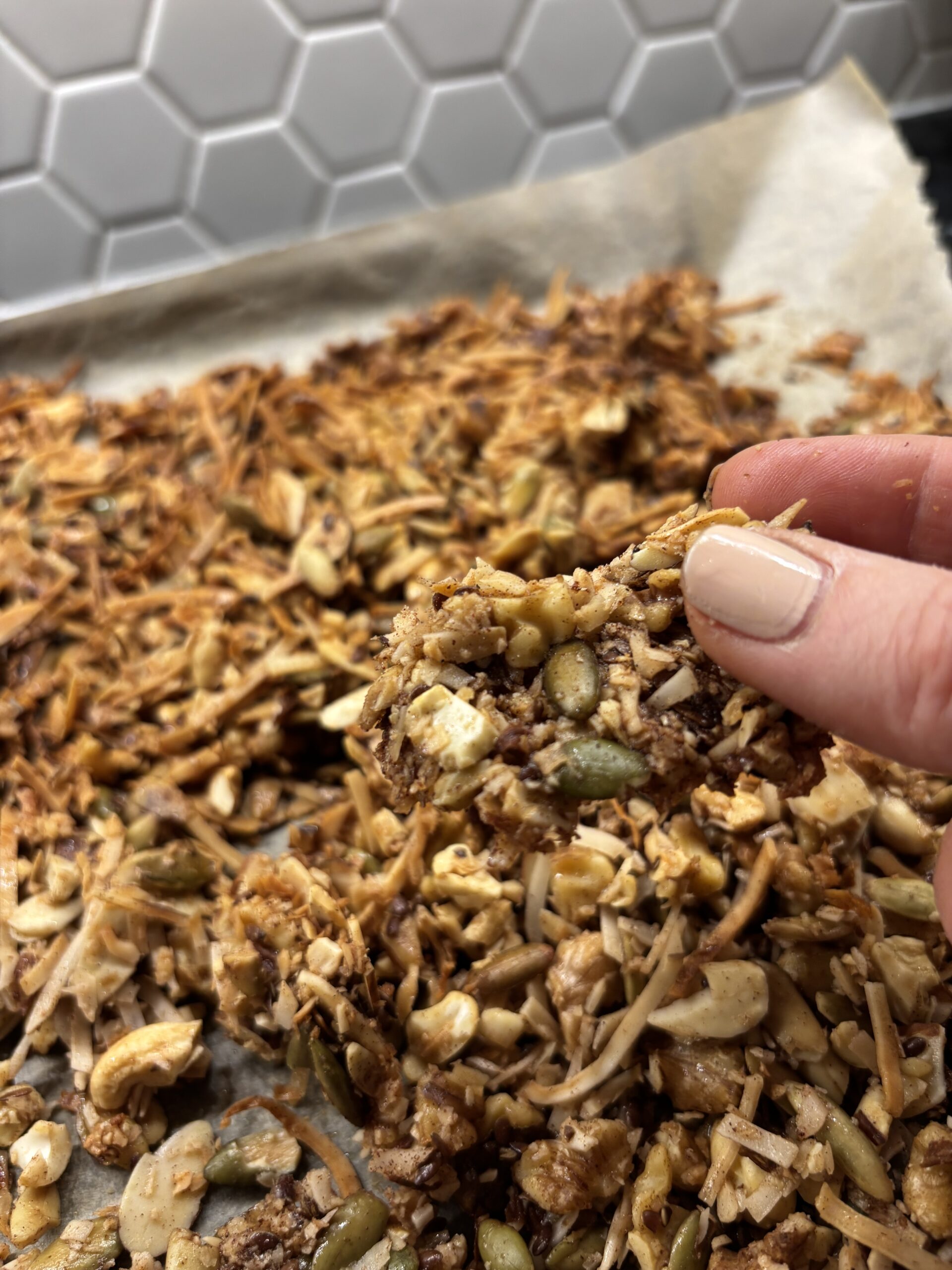
  6. Bake for 20 minutes, turn the pans and bake for another 5-10 minutes. Keep a close eye as you don’t want it to burn. The granola will turn a golden brown which is what you want!
  7. Let it cool completely before breaking it apart with your hands.
  8. Place in mason jars and try not to eat it all at once!

Notes

Nutrition Facts

Serving size: ⅛ of recipe
Per serving
  • Calories: ~275 kcal
  • Protein: ~6 g
  • Total Fat: ~20 g
  • Carbohydrates: ~20 g
  • Fiber: ~4 g
  • Total sugars: ~9 g [added sugars (maple syrup): ~7 g]
  • Net Carbs: ~16 g
  • Sodium: ~115 mg
GF Oat Bread – A Better Avocado Toast

GF Oat Bread – A Better Avocado Toast

Here’s a homemade bread + balanced breakfast combo that tackles a few common challenges I see in practice:

  • Too many carbs relative to fiber

  • Low omega-3 (compared to omega-6)

  • Hidden gluten sensitivities

  • Not enough protein at breakfast

Sure, avocado toast on sourdough sounds healthy (and tastes amazing 😋), but if you’re working on: Blood sugar balance
, Reducing inflammation
, Weight loss goals
, Digestive issues…it might be time for a breakfast makeover.
Solution:

DIY GF oat bread with seeds (See recipe below)

Top with protein + healthy fats—think smashed avocado + eggs, or smoked salmon

Gluten Free Oat Bread

Servings: 8
Course: Breakfast

Ingredients
  

  • 2 cup rolled oats
  • ¼ tsp of salt
  • 1 tsp baking soda
  • 1 tsp baking powder
  • 2 tbsp pumpkin seeds
  • 2 tbsp sunflower seeds
  • 1 1/2 cup kefir
  • 2 medium eggs
  • 2 tsp apple cider vinegar

Method
 

  1. Spray a loaf pan with olive oil. Preheat the oven to 350F
  2. Pulse rolled oats in the food processor. Combine it with salt, baking soda, baking powder, pumpkin seeds, and sunflower seeds in a bowl.
  3. Add in kefir, eggs, and apple cider vinegar and mix well.
  4. Pour the batter into the loaf pan, level it out, sprinkle with seeds, and bake for 30-35 min in the oven.
  5. Let it cool down before slicing it up.

Notes

Per Serving (1 slice if cut into 8)
  • Calories: ~210–220 kcal
  • Protein: ~9–10 g
  • Fat: ~9 g
  • Carbohydrates: ~24–25 g
  • Fiber: ~4 g
  • Net Carbs: ~20–21 g