
Achieve wellness, one bite at a time

Full Service Nutrition Support
Board Certified, Integrative + Functional Medical Nutrition Therapy with a Root Cause Approach
Seasonal Recipes


What Does a Registered Dietitian Do Anyway?
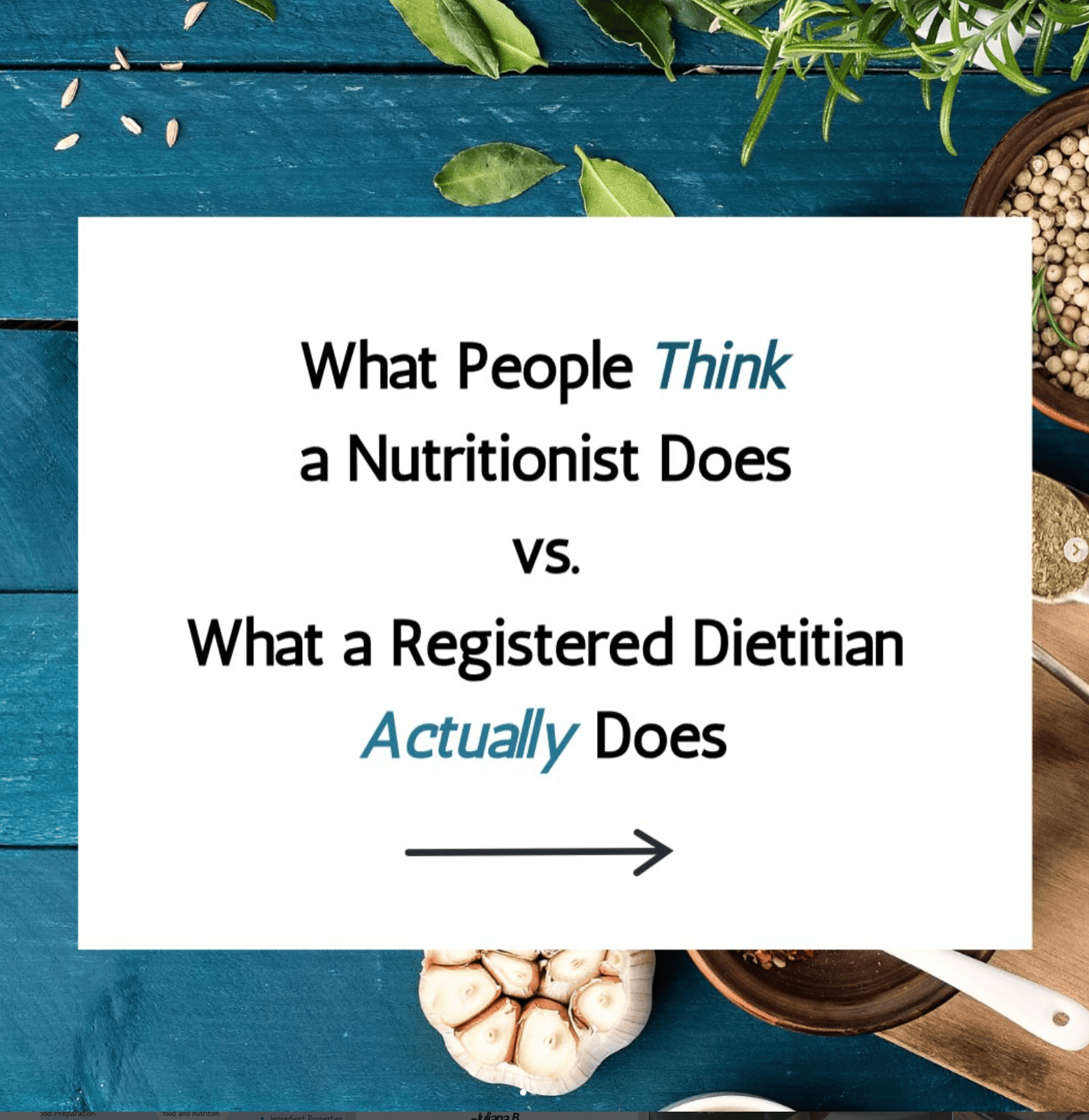
Nutritionist vs Dietitian
Nutritionist vs Dietitian – What’s the Difference?
What people think a nutritionist does vs. what a registered dietitian actually does
I’m not here to judge your Crumbl cookie or hand you a generic meal plan that ChatGPT could create in a few seconds. I’m here to offer support, tools, and insights on what happens in your body, both physiologically and physically, in response to environmental inputs, nutrition, and beyond.
Then we build a personalized approach to your health and wellness with the big picture in mind, factoring in your genetics, health history, symptoms, labs, lifestyle, preferences, and goals. Think wellness partner, not food police.
What people think a nutritionist does
- Tells you to eat more veggies
- Focuses only on weight loss
- Makes generic meal plans
- Acts like the food police
What a registered dietitian actually does
- Supports blood sugar management
- Addresses cholesterol and nutrient deficiencies
- Helps you fuel exercise, build strength, and recover properly
- Turns nutrition science into realistic meals that fit your lifestyle
- Orders and interprets labs
- Analyzes nutritional intake for macro- and micronutrient adequacy
- Uses wearable data to drive optimizations for energy, mood, sleep, and focus
- Addresses digestive concerns and supports gut health
Why the credentials matter
The two titles sound alike, but they are very different paths. Here’s how they compare.
Mastersdegree from an accredited program
1,000+hours of supervised clinical practice
Examnational registration exam, plus ongoing education
Registered Dietitian (RD or RDN)
- Definition
- A legally protected, regulated title for a credentialed food and nutrition expert.
- Education & training
- At least a master’s degree from an accredited program, 1,000+ hours of supervised clinical practice, a national exam, state licensure where required, and continuing education.
- Scope of practice
- Qualified to provide Medical Nutrition Therapy (MNT) for conditions such as diabetes, heart disease, and kidney disease, to manage tube feedings, and often to bill insurance.
Nutritionist
- Definition
- A general, catch-all term for someone who gives advice on food and healthy eating.
- Education & training
- The title is largely unregulated in many states and countries. Some nutritionists hold advanced science degrees or certifications (such as CNS or CCN), while others have completed only a brief online certificate.
- Scope of practice
- Generally centered on general wellness, lifestyle, and coaching. Nutritionists are typically not permitted to provide medical nutrition therapy or treat clinical disease.
Read the Cleveland Clinic guide to dietitians vs. nutritionists →
Think wellness partner, not food police.Nutrition guidance should be personalized, evidence-based, and built around your real life.
Ready for a personalized approach?
Let’s look at the big picture together: your labs, symptoms, lifestyle, and goals.
Work with me