Who’s winning the battle in your gut?
Trillions of microbes are competing for space and nutrients in your intestines. What you eat helps decide which ones thrive.
Think of your intestines as a crowded ecosystem. Space and nutrients are limited, and the microbes that get fed are the ones that flourish. The good news: you hold more of the menu than you might think.
Your gut is home to trillions of microbes, from hundreds of different bacterial species, alongside viruses and fungi. This community is never static. Age, diet, lifestyle, medications, and especially antibiotics all shift its makeup over time.
Diversity is the goal, not just “more good bacteria”
Newer research has refined the old “good guys versus bad guys” picture. Most gut microbes aren’t simply good or bad; their effects depend on context, on what they’re eating, and on who else is around. What consistently stands out is diversity: a varied, resilient community tends to be associated with better metabolic and immune health.
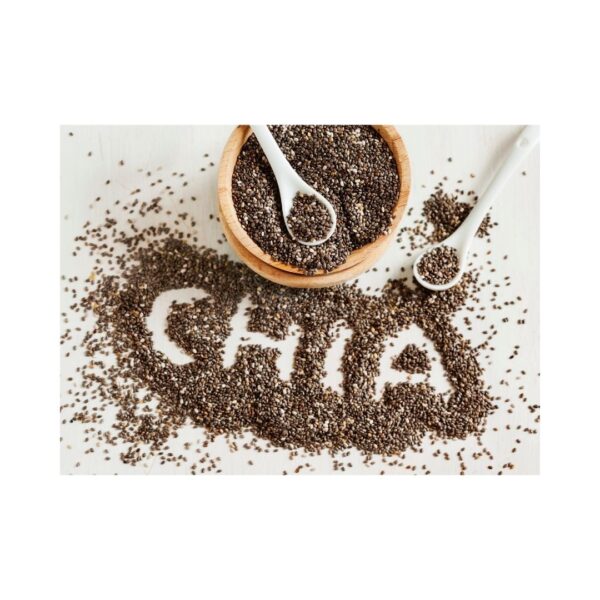
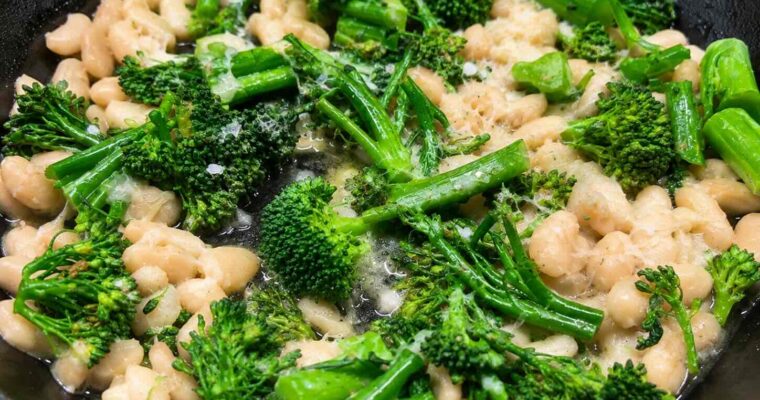
Diet is one of the strongest levers. In the American Gut Project, one of the largest citizen-science microbiome studies, people who ate 30 or more different plant foods per week had more diverse gut microbes than those eating 10 or fewer. They also had more bacteria linked to short-chain fatty acid production. Plant variety even appeared to matter more than labels like “vegan” or “vegetarian.”
A guideline, not a rule. The number 30 came from a comparison of two groups, so it isn’t a magic threshold. Think “variety, steadily” rather than perfection. Beans, whole grains, nuts, seeds, herbs, and spices all count toward your weekly mix.
What your microbes make from your plants
Microbes such as Bifidobacterium and Lactobacillus, along with many others, ferment prebiotic fibers and resistant starches, the parts of fruits, vegetables, grains, seeds, and legumes we can’t digest ourselves. In return they produce short-chain fatty acids such as butyrate, acetate, and propionate.
These compounds do real work. Butyrate is a primary fuel for the cells lining your colon. Short-chain fatty acids also help keep the colon slightly acidic, which makes life harder for acid-sensitive pathogens, and they help regulate immune activity and inflammation. Gut microbes also help produce certain vitamins, including some B vitamins and vitamin K, and they take part in gut-brain communication, an active and still-emerging area of research.
When the balance tips
Diets heavy in ultra-processed, high-sugar, high-fat foods and low in fiber are associated with lower diversity and a more pro-inflammatory microbial profile. Antibiotics, which are sometimes essential, can also temporarily reduce diversity. When the community becomes imbalanced, a state called dysbiosis, the gut barrier can be affected.
This is where intestinal permeability comes in. The intestinal lining is a selective barrier that lets nutrients in and keeps unwanted substances out. When that barrier loosens, bacterial components such as endotoxins can pass into circulation and may trigger inflammation. Increased permeability has been associated with GI disorders, metabolic disease, allergy, autoimmune conditions, and more.
A note on “leaky gut.” The term is used loosely online, and not every claim made under it is proven. Increased intestinal permeability itself is well-studied science, and researchers are still sorting out cause versus effect in many conditions. That’s why working with a qualified professional beats self-diagnosing.
Putting it into practice
Feed the community
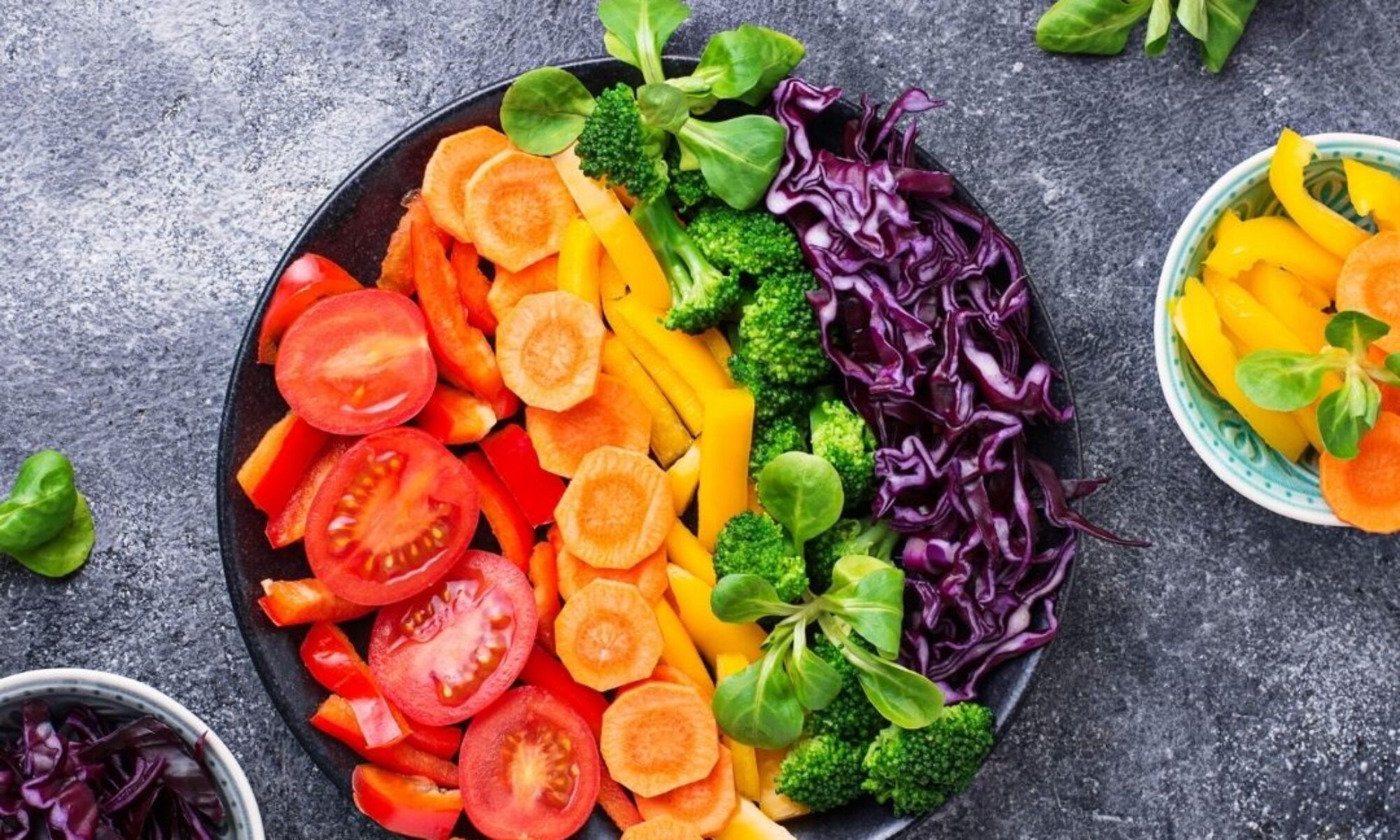
- Aim for variety: a rainbow of produce, legumes, whole grains, nuts, seeds
- Add herbs and spices; they count too
- Include fermented foods like yogurt, kefir, kimchi, and sauerkraut if you tolerate them
Go easy on the rest
- Limit ultra-processed, high-sugar foods
- Increase fiber gradually and drink plenty of water
- Use antibiotics only when truly needed, as prescribed
Exploring your own microbiome with GI-MAP
Everyone’s gut is different. In my practice I use GI-MAP stool testing to help clients explore the health of their microbiome, identify infections, and look at digestive health and inflammation. Results give us a clearer starting point so that food and lifestyle recommendations can be personalized instead of guesswork.
Testing is one piece of the puzzle, interpreted alongside your symptoms, history, and goals.
Work with meWatch: Dr. Alessio Fasano on the gut barrier
For a deeper dive, watch this lecture by Dr. Alessio Fasano of Mass General Hospital for Children, a leading researcher on gut permeability, the microbiome, and immune response. He discusses how these connect to chronic inflammatory and autoimmune disease.
Prefer to watch on YouTube? Open the video in a new tab.