Category: Blog

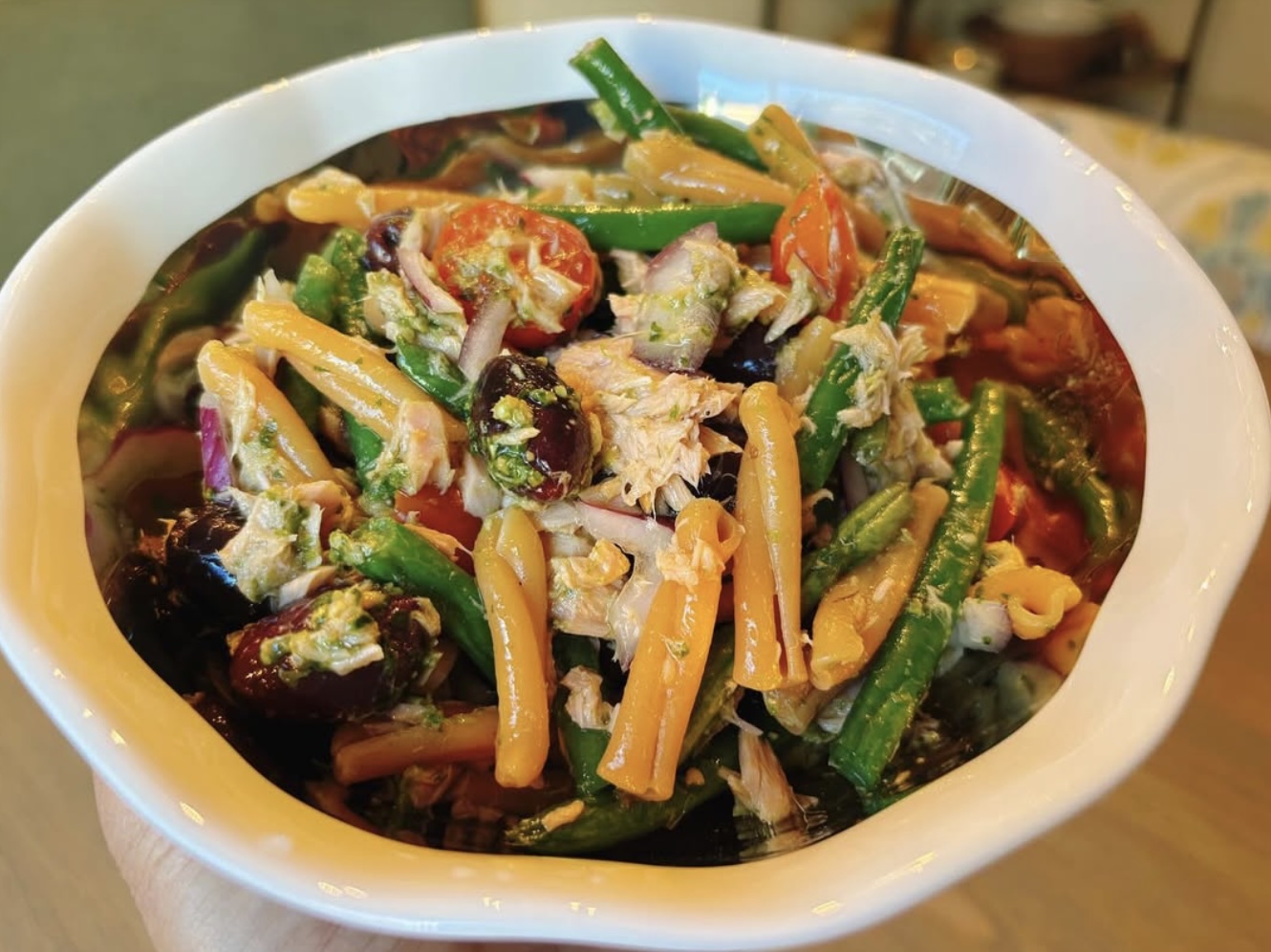
Tuna Green Bean Pasta Salad

Tuna Green Bean Pasta Salad

Lentil pasta makes for a great alternative to traditional grain-based pasta due to its elevated protein and fiber content. Derived from legumes, lentil pasta naturally contains higher levels of plant-based protein, which is essential for muscle repair, immune function, and overall bodily maintenance. Additionally, its rich fiber composition promotes digestive health, aids in maintaining stable blood sugar levels, and contributes to a feeling of fullness.

When combined with tuna, a lean source of high-quality animal protein and rich in omega-3 fatty acids, the meal becomes exceptionally nourishing and satisfying. The omega-3 fatty acids support cardiovascular health and cognitive function, while the additional protein enhances satiety and helps sustain energy levels throughout the day. This pairing results in a well-rounded, nutrient-dense dish that is both filling and beneficial for overall health.

Tuna Green Bean Pasta Salad

Course: Salad
Cuisine: Mediterranean

Ingredients
  

  • 1.5 cups cooked lentil pasta → 13g protein
  • 1 can 3 oz drained tuna → 20g protein
  • ½ cup green beans steamed or sautéed
  • ¼ cup cherry tomatoes halved
  • 2 tbsp red onion thinly sliced
  • 1 tbsp pesto
  • 1 tsp extra virgin olive oil
  • Sea salt & black pepper to taste
  • Optional: squeeze of lemon fresh basil for garnish

Method
 

  1. Cook the pasta according to package instructions. Drain and set aside.
  2. Steam or sauté the green beans until just tender.
  3. In a large bowl, combine the cooked pasta, tuna, green beans, tomatoes, and red onion.
  4. Drizzle with olive oil, add the pesto, and toss to combine.
  5. Season with salt, pepper, and a squeeze of lemon juice if desired.
  6. Serve warm or chilled. Top with fresh basil for a fresh finish.

Notes

Nutrition (approx.):
• Protein: ~28g
• Carbs: ~35–40g
• Fat: ~15–18g (from olive oil, tuna, and pesto)
• Fiber: ~8–10g
Creamy Cannellini Bean Soup

Creamy Cannellini Bean Soup

The Role of Beans in Maintaining Good Gut Health

Beans have long been recognized as a nutritious staple in many diets worldwide. Beyond their rich flavor and versatility in culinary applications, beans play a crucial role in promoting and maintaining optimal gut health. Their unique composition offers numerous benefits that support digestive well-being and overall health.

Rich Source of Dietary Fiber

One of the primary benefits of beans is their high content of dietary fiber. Soluble and insoluble fibers found in beans aid in regulating bowel movements, preventing constipation, and promoting regularity. Adequate fiber intake is essential for maintaining a healthy gut environment, as it facilitates the movement of waste through the digestive tract and supports the growth of beneficial gut bacteria.

Prebiotic Properties

Beans serve as excellent prebiotics—substances that nourish beneficial gut microorganisms. The fibers and resistant starches present in beans act as food sources for probiotics, the good bacteria residing in our intestines. By fostering a thriving community of beneficial microbes, beans help enhance digestion, boost immune function, and reduce inflammation within the gut.

Supporting Gut Microbiota Diversity

A diverse microbiota is associated with better gut health and resilience against various gastrointestinal disorders. Regular consumption of beans contributes to this diversity by providing a variety of fibers that different bacterial species can ferment. This fermentation process produces short-chain fatty acids (SCFAs), such as butyrate, which are vital for nourishing colon cells and maintaining intestinal integrity.

Reducing Inflammation and Promoting Digestive Comfort

The anti-inflammatory properties of certain compounds found in beans can help reduce gut inflammation, which is often linked to conditions such as irritable bowel syndrome (IBS) and inflammatory bowel disease (IBD). Additionally, the gentle nature of beans when properly prepared can promote digestive comfort by alleviating bloating and gas—a common concern associated with legume consumption.

Practical Tips for Incorporating Beans into Your Diet

To maximize their gut health benefits, it is advisable to introduce beans gradually into your diet to allow your digestive system to adapt. Soaking dried beans before cooking reduces antinutrients that may cause discomfort. Incorporating a variety of beans—such as lentils, chickpeas, black beans, and cannellini—ensures a broad spectrum of fibers and nutrients.

Conclusion

Beans are an invaluable addition to any diet aimed at supporting gut health. Their rich fiber content, prebiotic properties, and ability to promote microbial diversity make them essential for maintaining a healthy digestive system. By including a variety of beans regularly and preparing them thoughtfully, individuals can enjoy improved digestion, enhanced immunity, and overall well-being.

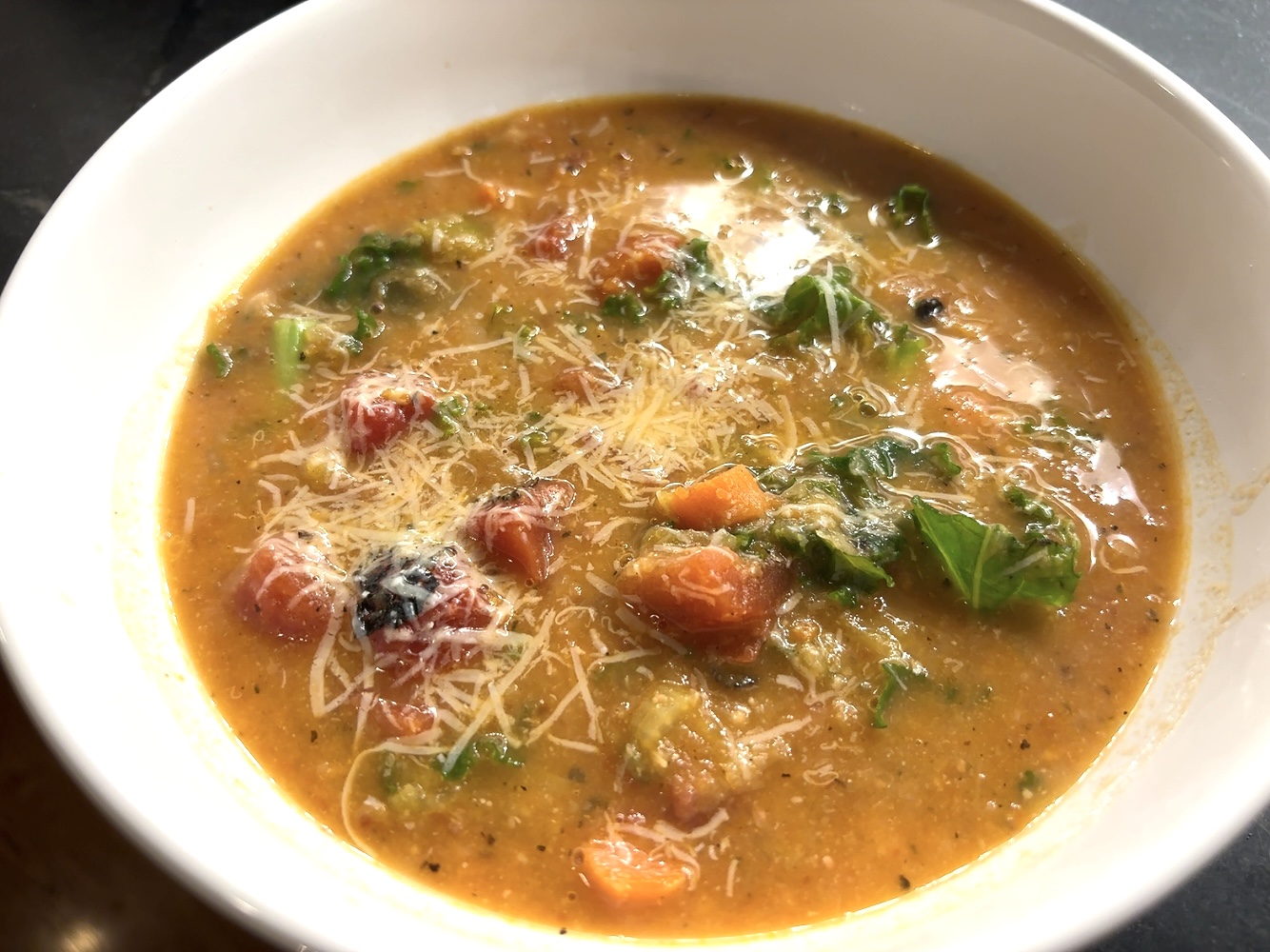
Creamy Cannellini Bean Soup

This cozy Mediterranean-style white bean and kale soup is comfort in a bowl—a must try for anyone who is trying to up their fiber intake! It makes a great make-ahead meal on the weekend and freezes well for easy meal prep for those busy days during the work week.
Prep Time 10 minutes
Cook Time 25 minutes
Servings: 4
Course: Soup
Cuisine: Mediterranean

Ingredients
  

  • 1 leek thinly sliced
  • 2 celery ribs chopped
  • 2 carrots peeled and chopped
  • 2 cloves of garlic minced
  • 1 32 ounce carton of vegetable broth
  • 1 -15 ounce container of cannellini beans
  • 1 -14 ounce container of fire roasted diced tomatoes
  • 1 parmesan rind
  • 2 slices bacon or pancetta
  • 1 tablespoon extra virgin olive oil
  • 1 tablespoon tomato paste
  • 1 bay leaf
  • 2 teaspoons thyme

Method
 

  1. Prep the base: Thinly slice the leek (white and light green parts only), chop the celery and carrots, and mince the garlic. Rinse the cannellini beans and set aside.
  2. Render the bacon: In a large pot or Dutch oven, add the bacon or pancetta over medium heat. Cook until lightly crisp and the fat is rendered.
Remove bacon with a slotted spoon and set aside, leaving the fat in the pot.
  3. Build flavor: Add 1 tablespoon olive oil to the pot if needed. Add leeks, celery, and carrots. Sauté 5–7 minutes until softened and fragrant.Stir in garlic and cook 30 seconds, just until aromatic. Add the tomato paste and stir well, cooking for 1–2 minutes until it darkens slightly—this deepens the flavor.
  4. Simmer: Pour in the vegetable broth, then add cannellini beans, fire-roasted diced tomatoes, parmesan rind, thyme and bay leaf. Bring to a gentle boil, then reduce to a simmer. Cover and cook for 20–25 minutes, allowing flavors to meld. To add a creamy touch, insert an immersion blender and blend half of the pot until desired thickness.
  5. Finishing touches: Stir in chopped kale and simmer uncovered for 5–10 minutes, until kale is tender. Remove bay leaf and parmesan rind.
Stir the cooked bacon back into the soup.
Season with salt and pepper to taste.
  6. Optional: Extra grated parmesan on top, drizzle of olive oil

Notes

Nutrition Facts:

Per serving (makes 4 servings)

  • Calories: 300 kcal
  • Protein: 13 g
  • Fat: 13 g
  • Carbohydrates: 33 g
  • Fiber: ~9–10 g
  • Sodium: 450 mg
5 Easy Ideas for Making a Pretty Pie

5 Easy Ideas for Making a Pretty Pie

Finishing touches make all the difference with presentation of most foods- pies included. Check out these 5 easy ideas to make a pretty presentation with pumpkin, squash or cranberry based pie for your holiday feast.

Leaf Shaped Cut Outs on Cranberry Pie
Pecans and Pumpkin Seeds Made Great Pie Decore
Use Extra Pie Dough to Personalize Your Pie
Use Extra Herbs Like Rosemary and Cranberries Dusted with Powdered Sugar
Add Crushed Walnuts Around The Border
It Might Be Time to Get your Vitamin D Levels Checked

It Might Be Time to Get your Vitamin D Levels Checked

Have you had your Vitamin D levels checked lately? If you live anywhere North of Carolina, this PSA is for you…a friendly reminder that it is time and here is why…

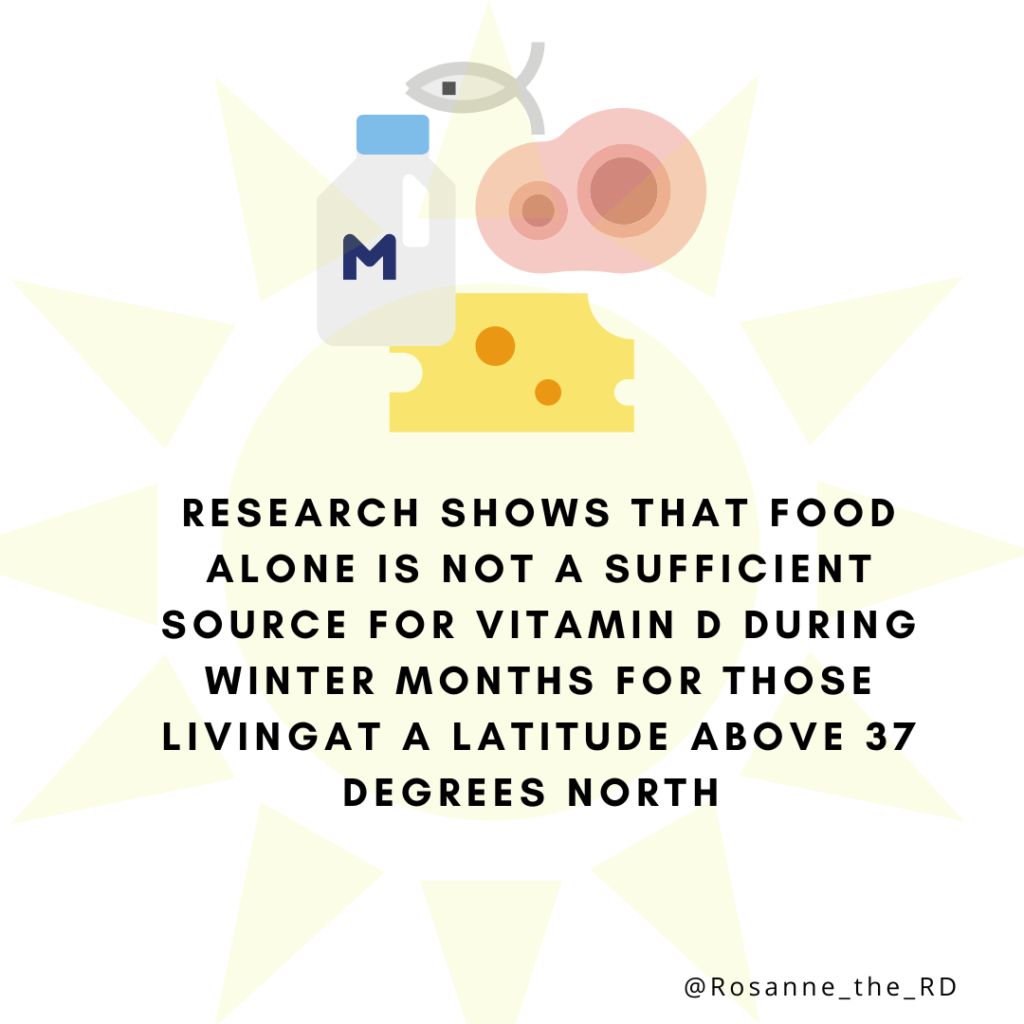
As an RD, my mantra is usually a food first approach towards optimizing nutritional status or addressing deficiencies. But in the case of Vitamin D, research shows it is almost impossible to take in enough D3 to meet our needs. Over 1 billion people are estimated to be walking around deficient in Vitamin D as we speak (levels below <30 nmol/L). 

Normally in summer months, those of us living at a latitude north of 37 degrees with daily sun exposure have the capacity to make sufficient D to meet our bodies’ needs. But in the Fall and Winter, due to the angle of the sun and reduction in amount of UVB rays we are exposed to, our bodies are unable to produce what we need naturally. 

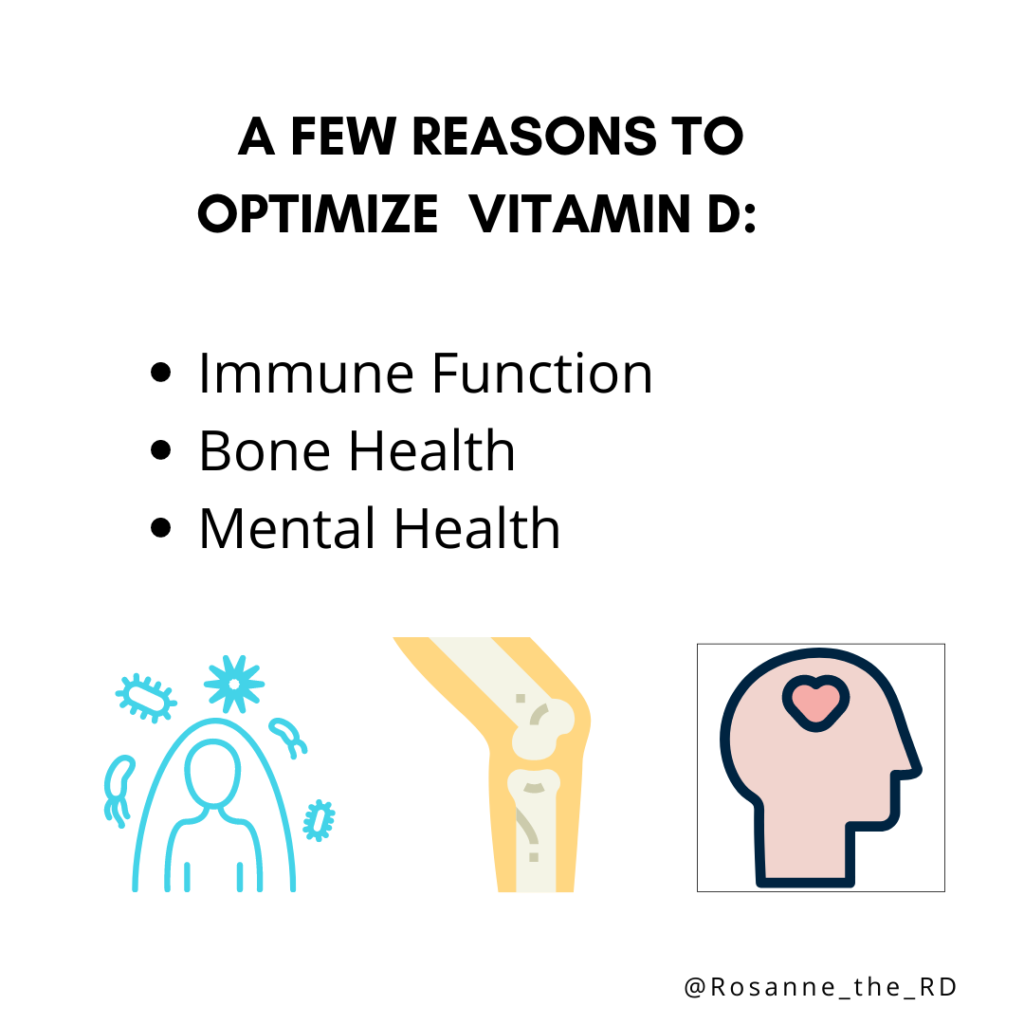
A growing body of research is associating suboptimal Vitamin D levels with higher risk for osteoporosis, depression, cognitive decline, cancer, diabetes, infections and autoimmune disease. Share this message with a friend who lives north of NC who could benefit from this important reminder on how to maintain their health as we head into winter. Click here to read more about Harvard School of Public Health’s recommendation on Vitamin D levels and supplementation.


.

3 Essential Kitchen Tools

3 Essential Kitchen Tools

The notion of preparing quick, easy and nutrient dense meals may sound daunting and expensive to someone who doesn’t have time to cook or maybe is new at it. But it doesn’t have to be – start small with  a few essential tools that streamline the cooking process. The right tools in the kitchen will save you time time and money, as well as add lots of great flavor and nutrition to meals made at home. Here are 3 tools I use regularly in my kitchen that I highly recommend!

1.MICROPLANE Zester: Citrus peels have LOTS of nutritional value yet they are often discarded. Zest citrus with a quality microplane to add bold flavor and antioxidants to salads, dressings & marinades. Also use to finely grate Parmesan over pasta or soup. (I have had my Microplane brand zester for 10+ years and its just as sharp as ever)

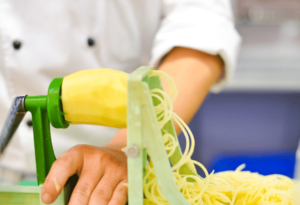
2. SPIRALIZER : Prepared veggies begin spoiling and losing nutritional value when cut as oxidation sets in- by spiralizing your own you get fresher and better tasting produce.. Plus you save $$…I love my Paderno – which comes with 6 blades to allow varying levels of noodle thickness and shapes.

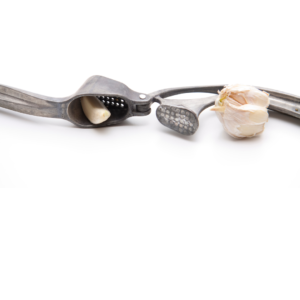
Check it out on Amazon:

3. GARLIC PRESS: Fresh pressed garlic is hands down the fastest way to add flavor when making pesto, tomato sauce and even mashed potatoes. Bonus – many of garlic’s health benefits are caused by sulfur compounds formed when it is crushed, chopped or chewed. (OXO makes a durable option which produces minimal waste)