Tag: Omega 3

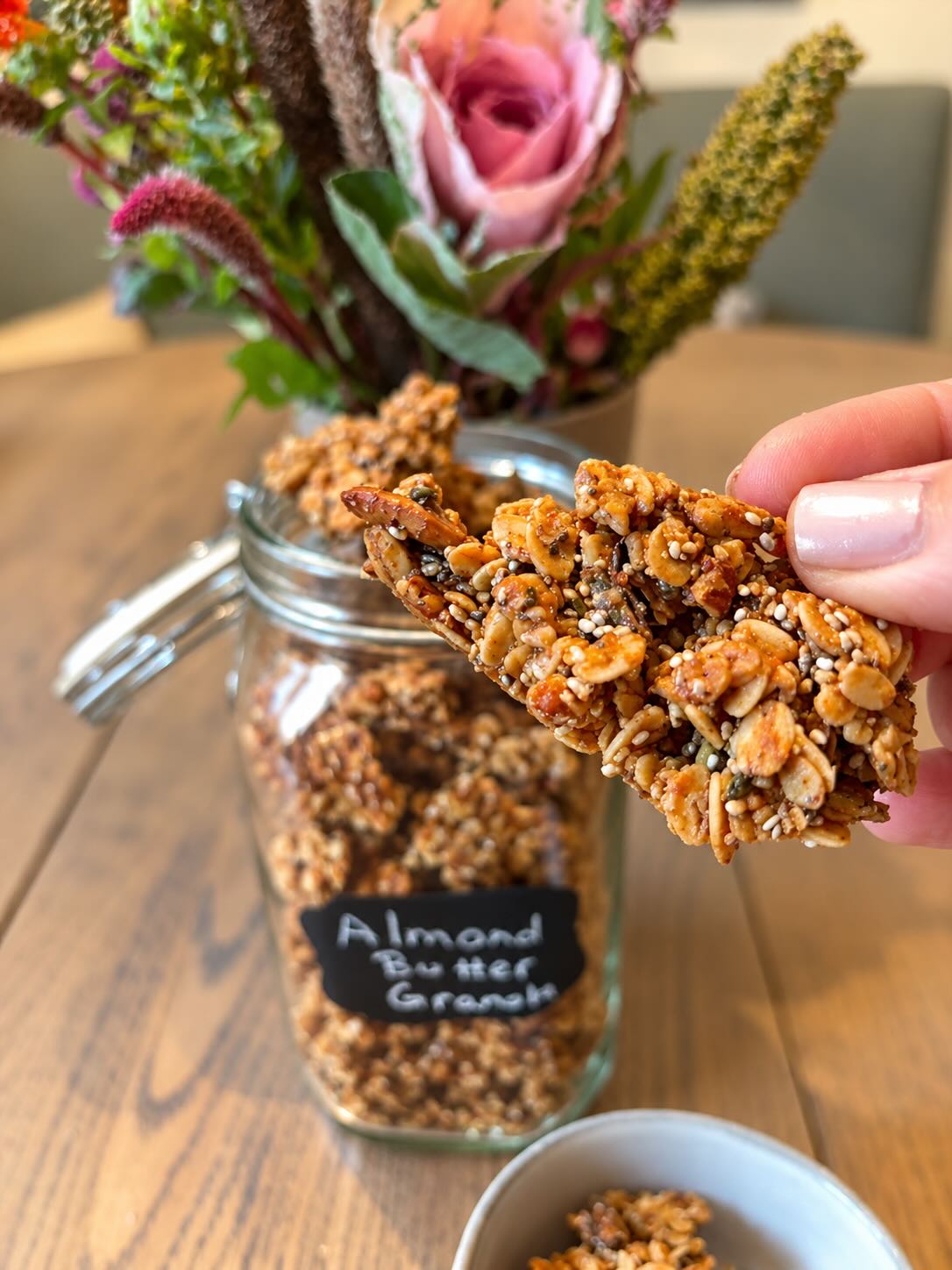
3 Seed Chunky Almond Butter Granola

3 Seed Chunky Almond Butter Granola

Almond butter chunky
Rosanne Walsh

3 Seed Chunky Almond Butter Granola

Crunchy, gluten-free clusters with nuts, seeds, coconut, chewy raisins, and a touch of maple and date syrup. Pair with greek yogurt for a balanced, breakfast high in protein and nutrient density. .
Servings: 24
Course: Breakfast, Snack
Cuisine: American

Ingredients
  

  • 3 cups Bob’s Red Mill Gluten Free Protein Oats
  • ½ cup chopped almonds
  • ½ cup chopped pecans
  • ½ cup chopped walnuts
  • ⅓ cup hemp hearts
  • ⅓ cup chia seeds
  • ⅓ cup pumpkin seeds
  • ⅓ cup sunflower seeds
  • ⅓ cup unsweetened shredded coconut
  • ½ cup chopped pitted dates
  • ½ cup golden raisins
  • 1 teaspoon pumpkin pie spice
  • ⅓ cup unsweetened almond butter
  • ½ cup pure maple syrup
  • 2 tablespoons date syrup
  • ⅓ cup olive oil
  • 1 teaspoon vanilla extract
  • 1/4 teaspoon Maldon sea salt flakes

Method
 

  1. Preheat to 325°F. Line two large, rimmed baking sheets with parchment paper.
  2. Mix the dry ingredients. Combine the oats, nuts, hemp hearts, chia seeds, pumpkin seeds, sunflower seeds, coconut, and pumpkin pie spice. Reserve the dates and raisins until after baking to keep them chewy.
  3. Mix the wet ingredients. Whisk the almond butter, maple syrup, date syrup, olive oil, and vanilla until smooth. Warm gently if needed.
  4. Combine. Pour the wet mixture over the dry ingredients and stir until thoroughly coated.
  5. Press firmly. Divide between the baking sheets and press into compact, even layers about ¼–½ inch thick. Sprinkle with Maldon flakes.
  6. Bake for 30–40 minutes. Rotate the pans and switch racks halfway through. Begin checking at 25 minutes; remove when golden and fragrant. Avoid stirring to preserve large clusters.
  7. Cool completely. Leave undisturbed for 45–60 minutes, or until completely cool. Break into chunks, then gently mix in the chopped dates and raisins.
  8. Store. Transfer to an airtight container. Keep at room temperature for up to 2 weeks or freeze for up to 3 months.

Notes

Estimated nutrition per serving
One serving = 1/3 cup 

Estimated Nutrition Facts — ⅓ Cup

Nutrient
Amount
Calories
220 kcal
Total Fat
13 g
Saturated Fat
2.5 g
Total Carbohydrates
23 g
Dietary Fiber
4 g
Total Sugars
10 g
Added Sugars
7 g
Protein
6 g
Sodium
45 mg
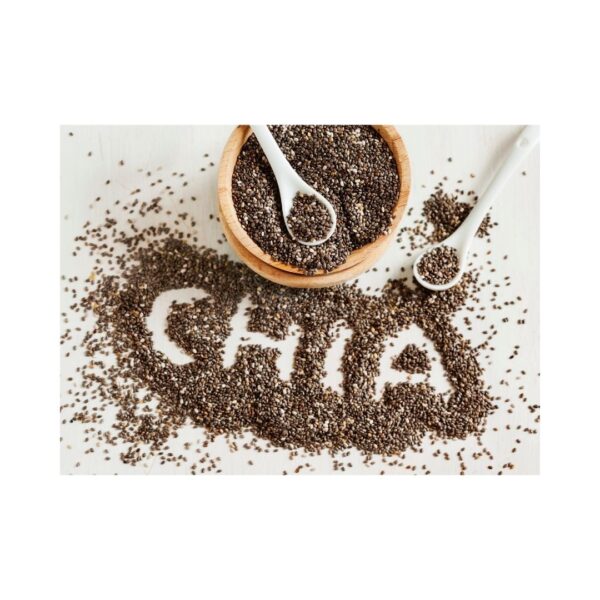
What’s the Hype with Chia Seeds?

What’s the Hype with Chia Seeds?

Chia seeds are known to have been consumed since the 13th century by Aztec cultures for the strength, stamina, and endurance that they provided to their people. One tablespoon alone of chia was enough to sustain Aztec warriors for an entire day! The seeds were also used as medicine and prescribed for wounds, joint pain, sore throats, and sore eyes. Those ancient aztec warriors were clearly onto something. Made into a pudding, sprinkled into smoothies or salads, or added to baked goods, these seeds are nutritional powerhouses that can add benefits to our health. They are a great source of plant based omega 3 fatty acids (bonus for brain health), can improve blood sugar control (more steady energy and mood), feed healthy bacteria in the gut such as lactobacillus and help maintain bowel regularity to name just a few ways we can improve our health with consumption of these tiny seeds! These seeds they are so shelf stable (lasting up to 2 years) they make a super smart addition to anyone’s plant based pantry. 

My favorite way to consume chia seeds is with chia pudding at breakfast – try this recipe, which is so basic and takes just a few minutes to assemble. A weekly staple in my fridge for a healthy breakfast, grab and go snack, or even dessert. Your taste buds will be happy, the microbes in your gut health will flourish, and your mood and energy will be stable thanks to all the delicious fiber and the blood sugar regulation benefits chia seeds offer. Click here for this easy and delicious recipe.

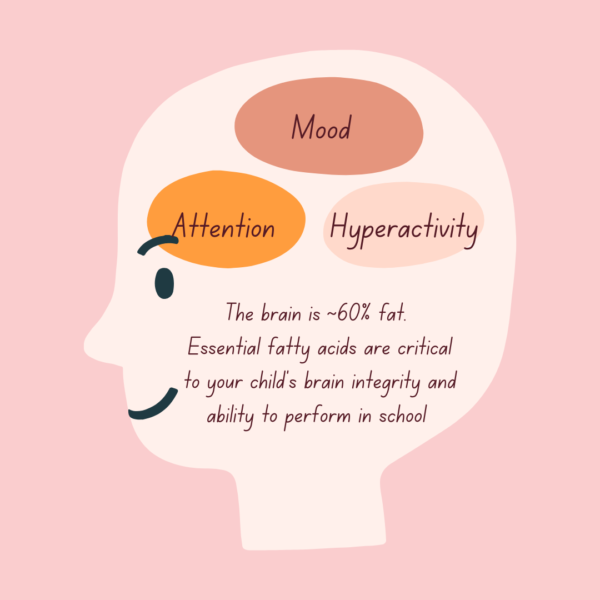
Is your child getting enough Omega 3?

Is your child getting enough Omega 3?

Research has shown that consuming 1-2 grams of omega 3 fatty acids per day can help improve mood, attention, and hyperactivity in kids. For parents who wish to improve the quality of life and mental health status for a child who has emotional and behavioral issues, this is a key nutritional area to focus on.

Omega 3 fatty acids can be found in certain foods such as salmon, sardines, avocado, walnuts, flaxseeds, chia seeds and dark leafy greens. EPA and DHA (found in fatty fish) specifically are the long chain fatty acids associated with anti inflammatory and neuroprotective effects.

Recognizing the challenges associated with getting kids to ingest fish regularly, fish oil supplementation can be a substitute for food sourced EPA and DHA. Here is a supplement from Nordic Naturals I give to my daughters and also recommend to families for their kids (age 12+) given it is third party tested and has a mild lemon taste that doesn’t offend.