Category: Sides

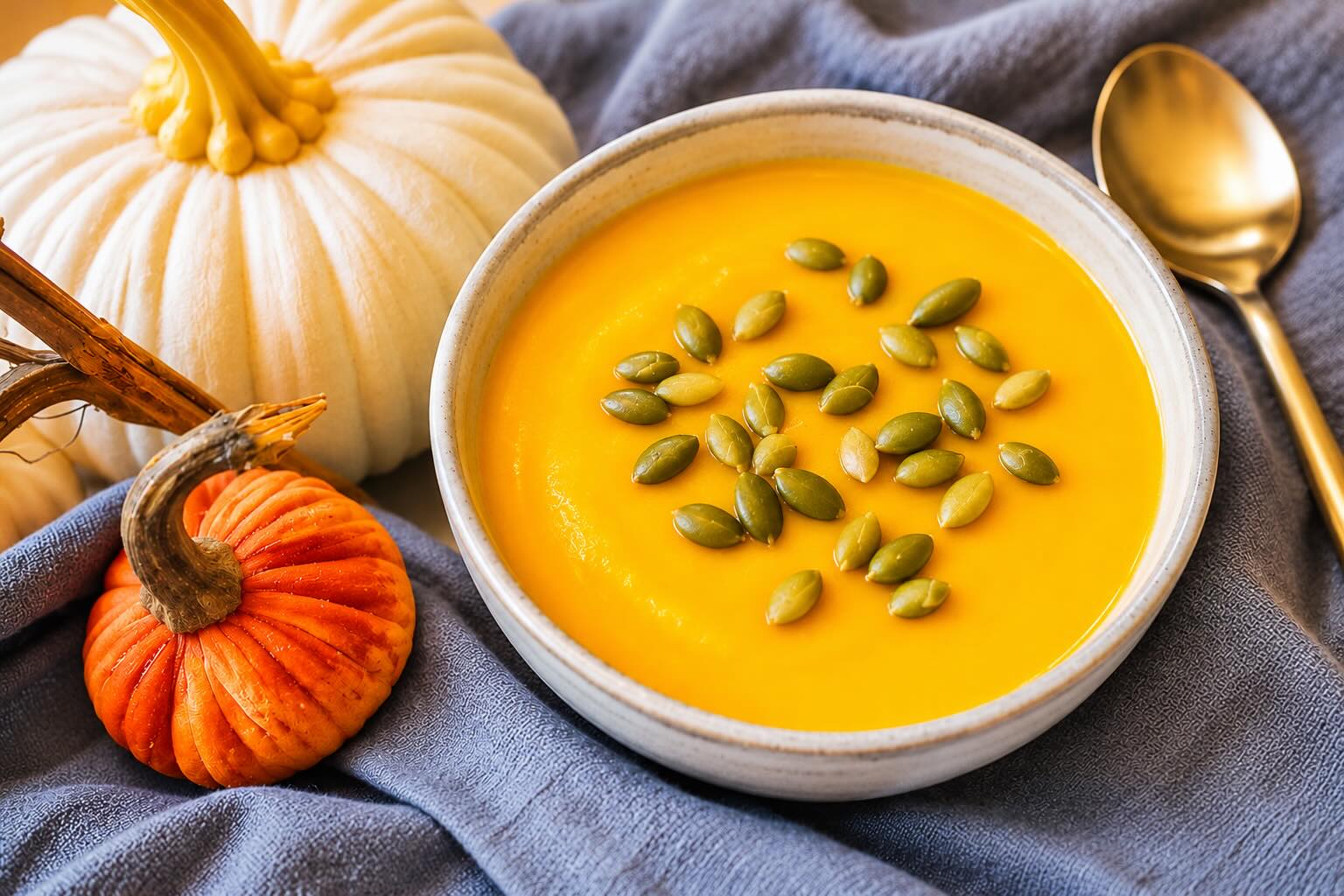
Creamy Pumpkin & Parsnip Soup with Coconut Milk

Creamy Pumpkin & Parsnip Soup with Coconut Milk

Creamy Pumpkin Soup with Pepitas

Creamy Pumpkin & Parsnip Soup with Coconut Milk

Cozy, nourishing, dairy-free, and packed with seasonal flavor.
Testing out new soups for the holidays, and I concocted a recipe worth sharing!
Pumpkin and parsnips might not be the first combination that comes to mind when you think of soup, but they make a surprisingly delicious pair. Pumpkin brings a naturally sweet, velvety texture, while parsnips add an earthy, slightly nutty flavor that balances the richness of coconut milk.
Parsnips are one of those underrated root vegetables that often get bypassed in the produce aisle. But with their fiber, potassium, and vitamin C, they deserve a spot on your plate!
Add a little turmeric, garlic, and savory bone broth, and you've got a comforting, nutrient-rich soup that's perfect for chilly evenings, holiday gatherings, or make-ahead lunches.
Servings: 6
Course: Side Dish, Soup

Ingredients
  

  • 1 small pumpkin cooked and flesh scooped out (or 1 can, 15 oz, plain pumpkin purée)
  • 2 medium parsnips peeled and chopped
  • 1 leek thoroughly washed and sliced (white and light green parts)
  • 1 can 13.5 oz light coconut milk
  • 2 cloves garlic minced
  • 2 cups chicken bone broth
  • 1½ teaspoons ground turmeric
  • 1 teaspoon sea salt or to taste
  • ¼ cup roasted pumpkin seeds pepitas, for garnish

Method
 

  1. Prepare the pumpkin. Cut the pumpkin in half and scoop out the seeds and stringy interior. Place the pumpkin halves on a trivet inside the Instant Pot with 1 cup of water.
  2. Pressure cook. Secure the lid and cook on High Pressure for 10 minutes. Allow the pressure to release safely according to your Instant Pot instructions. Let the pumpkin cool enough to handle, then scoop out the cooked flesh. Discard the skin.
  3. Combine ingredients. Empty the cooking water from the Instant Pot. Return the pumpkin flesh to the pot and add the chopped parsnips, sliced leek, coconut milk, garlic, bone broth, turmeric, and sea salt.
  4. Cook the soup. Secure the lid and pressure cook on High for 8 minutes. Allow a natural pressure release for approximately 10 minutes, then carefully release any remaining pressure.
  5. Blend until creamy. Use an immersion blender to purée the soup directly in the pot until smooth and velvety. Add a little extra broth or water if a thinner consistency is desired.
  6. Garnish and serve. Ladle into bowls and finish with a generous sprinkle of roasted pumpkin seeds for extra crunch, healthy fats, and a little plant-based protein.

Notes

Pumpkin & Parsnip Soup

Nutrition Facts

Serving Size: Approximately 1 cup
Servings Per Recipe: 6
Nutrient Amount Per Serving
Calories 160
Total Fat 7 g
Saturated Fat 4 g
Total Carbohydrates 21 g
Dietary Fiber 4 g
Total Sugars 7 g
Added Sugars 0 g
Protein 6 g
Sodium 550–700 mg
*Nutrition values are estimates based on six servings,
including light coconut milk, chicken bone broth,
and 1/4 cup pumpkin seeds for the full recipe.
Actual values vary by ingredient brands and portions.
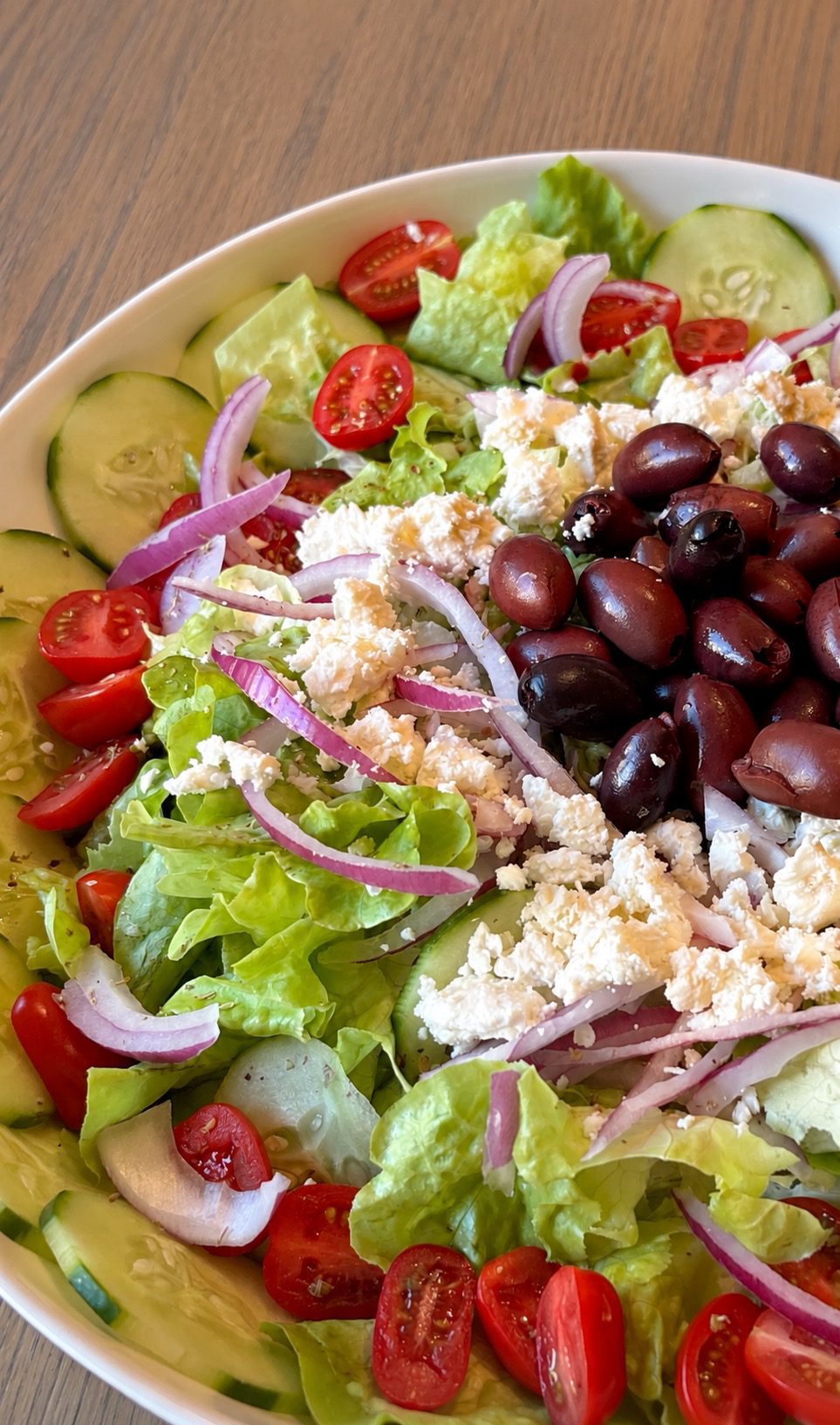
Greek Salad with Feta & Lemon-Oregano Vinaigrette

Greek Salad with Feta & Lemon-Oregano Vinaigrette

Greek Salad with Feta & Lemon-Oregano Vinaigrette

Crisp lettuce, juicy tomatoes, crunchy cucumber and briny Kalamata olives make this Greek-inspired salad a fresh, flavorful addition to any meal. Crumbled feta adds a creamy, salty finish along with calcium, vitamin B12 and protein.
Serve alongside grilled fish or chicken, or add chickpeas and whole-grain pita for a satisfying vegetarian lunch.
Servings: 4
Course: Salad, Side Dish
Cuisine: Mediterranean

Ingredients
  

For the Salad
  • 6 cups chopped romaine or green leaf lettuce
  • 1 large English cucumber thinly sliced
  • 2 cups cherry tomatoes halved
  • ½ small red onion thinly sliced
  • ½ cup pitted Kalamata olives drained
  • 4 ounces feta cheese crumbled
For the lemon-oregano vinaigrette:
  • 3 tablespoons extra-virgin olive oil
  • 2 tablespoons fresh lemon juice
  • 1 tablespoon red wine vinegar
  • 1 teaspoon dried oregano
  • 1 small garlic clove finely minced
  • ½ teaspoon Dijon mustard
  • Freshly ground black pepper to taste
  • Salt to taste

Method
 

  1. Prepare the vegetables. Wash and thoroughly dry the lettuce. Slice the cucumber and onion, and halve the tomatoes. For a milder onion flavor, soak the sliced onion in cold water for 5–10 minutes, then drain.
  2. Make the dressing. Whisk together the olive oil, lemon juice, vinegar, oregano, garlic, Dijon and black pepper.
  3. Assemble the salad. Arrange the lettuce in a large serving bowl. Add the cucumber, tomatoes, onion and olives, then scatter the feta over the top.
  4. Dress and serve. Drizzle with the vinaigrette just before serving and toss gently. Taste before adding salt—the feta and olives contribute plenty of salty flavor.

Notes

Nutrient Amount
Calories 260
Protein 7 g
Total carbohydrate 13 g
Dietary fiber 4 g
Total fat 21 g
Saturated fat 6 g
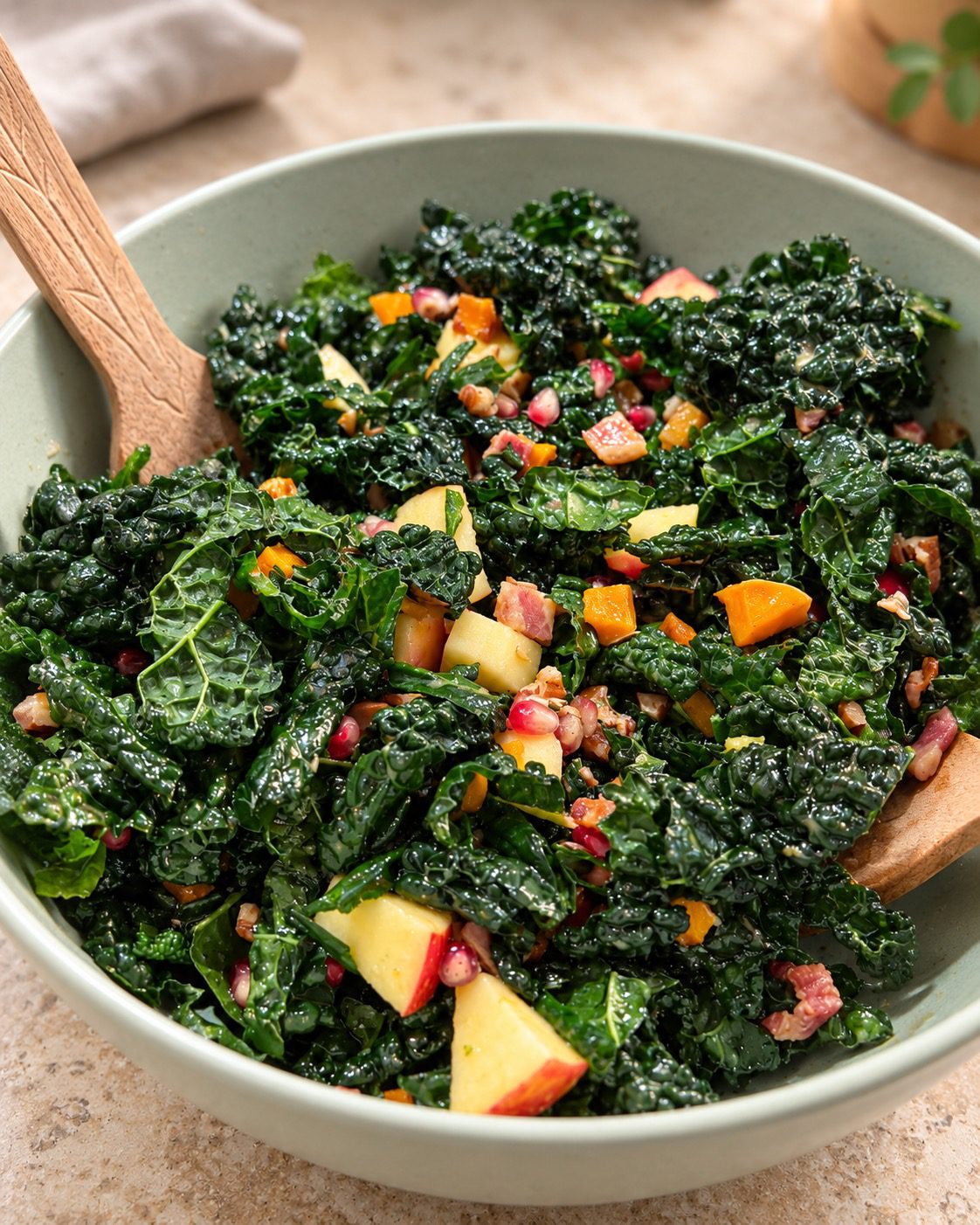
Tuscan Kale Fall Salad with Honeynut Squash & Maple-Dijon Dressing

Tuscan Kale Fall Salad with Honeynut Squash & Maple-Dijon Dressing

Rosanne Walsh

Tuscan Kale Fall Salad with Honeynut Squash & Maple-Dijon Dressing

Tender Tuscan kale, caramelized honeynut squash, crisp apple and juicy pomegranate come together with toasted pecans and smoky bacon. A tangy maple-Dijon dressing brings sweet and savory fall flavors to every bite.
Servings: 8
Course: Salad, Side Dish

Ingredients
  

Salad
  • 2 bunches Tuscan kale tough stems removed and leaves finely chopped
  • 1 honeynut squash halved, seeded and cut into ½-inch cubes; peeling optional
  • 1 tbsp extra-virgin olive oil for roasting
  • 1 Arils from 1 pomegranate
  • 1 apple cored and chopped
  • ½ cup pecans roughly chopped
  • 2 slices bacon chopped
Salad Dressing
  • 2 tablespoons pure maple syrup
  • 2 tablespoons Dijon mustard
  • 1 garlic clove finely grated or minced
  • 2 tablespoons orange vinegar plus more to taste
  • ¼ cup extra-virgin olive oil
  • ¼ teaspoon salt
  • Freshly ground black pepper to taste

Method
 

  1. Roast the squash. Heat the oven to 400°F. Toss the cubed squash with 1 tablespoon olive oil and spread on a parchment-lined baking sheet. Roast for 20–25 minutes, tossing halfway through, until tender and lightly caramelized. Let cool slightly.
  2. Cook the bacon. Place the chopped bacon in a skillet over medium heat. Cook, stirring occasionally, until crisp. Transfer to a paper-towel-lined plate.
  3. Toast the pecans. Toast in a dry skillet over medium-low heat for 3–5 minutes, stirring frequently, until fragrant. Set aside to cool.
  4. Make the dressing. Whisk together the maple syrup, Dijon, garlic, orange vinegar, salt and pepper. Slowly whisk in the olive oil until emulsified. Taste and add a little more vinegar if you prefer a tangier dressing.
  5. Massage the kale. Place the washed, thoroughly dried kale in a large bowl. Add 2 tablespoons of the dressing and massage with clean hands for 1–2 minutes, until the leaves soften and deepen in color.
  6. Assemble. Add the squash, apple, pomegranate, pecans and bacon. Toss gently with enough of the remaining dressing to coat. Let stand for 5–10 minutes before serving.
  7. Make-ahead tip: Roast the squash and prepare the dressing ahead of time. Add the apple, pecans and bacon shortly before serving for the best texture.

Notes

Estimated Nutrition Facts
Per serving, based on 6 side servings and using all the dressing:
Nutrient Per serving
Calories 300
Protein 5 g
Total carbohydrates 25 g
Dietary fiber 6 g
Total fat 20 g
Saturated fat 3 g
Estimates include the olive oil used for roasting. Values will vary with ingredient brands and sizes; calculations assume approximately 300 g trimmed kale
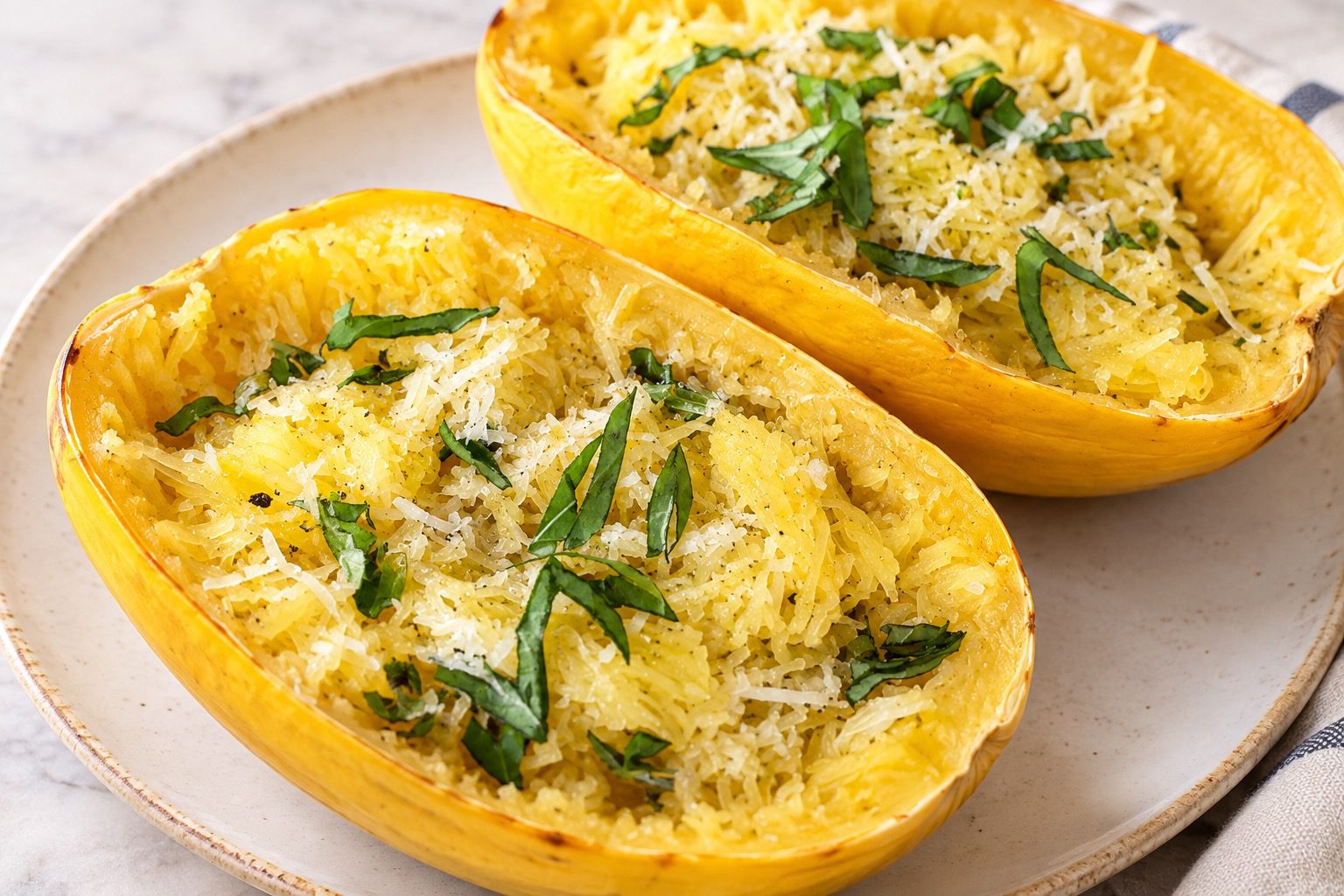
Parmesan Basil Spaghetti Squash

Parmesan Basil Spaghetti Squash

Parmesan Basil Spaghetti Squash

Spaghetti squash is one of those vegetables that can be incredibly simple—and incredibly good—with just a few quality ingredients.
In this easy recipe, roasted spaghetti squash is tossed with extra-virgin olive oil, freshly grated Parmesan, fresh basil and plenty of black pepper. The olive oil and Parmesan give the squash richness, while fresh basil keeps everything bright.
It makes an easy vegetable side dish for chicken, fish or meatballs, or you can add a protein and turn it into a light meal. And when you don't have time to roast the squash, I've included an Instant Pot shortcut that can get it cooked in a fraction of the time.
If you're serving this as a meal rather than a side dish, add a meaningful source of protein such as white beans, chicken, shrimp, salmon or turkey meatballs to make it more satisfying.
Servings: 4
Course: Appetizer, Side Dish
Cuisine: Mediterranean

Ingredients
  

  • 1 medium spaghetti squash about 2½–3 pounds
  • 2 tablespoons extra-virgin olive oil divided
  • ½ teaspoon sea salt divided
  • Freshly ground black pepper
  • ½ cup freshly grated Parmesan cheese
  • ¼ cup loosely packed fresh basil leaves thinly sliced
  • Optional: pinch of red pepper flakes

Method
 

  1. Preheat the oven to 400°F. Line a baking sheet with parchment paper.
  2. Prepare the squash. Carefully cut the spaghetti squash in half lengthwise and scoop out the seeds and stringy center with a spoon.
  3. Season. Brush the cut sides with 1 tablespoon of the extra-virgin olive oil and season with about half of the salt and several grinds of black pepper.
  4. Roast. Place the squash halves cut-side down on the baking sheet. Roast for approximately 30–40 minutes, depending on the size of your squash. It’s ready when the flesh is tender enough to separate easily into strands with a fork but isn’t mushy.
  5. Create the “spaghetti.” Let the squash cool just enough to handle. Turn the halves over and use a fork to gently pull the flesh into spaghetti-like strands.
  6. Finish. Drizzle the squash with the remaining tablespoon of EVOO. Add the Parmesan, remaining salt and freshly ground pepper and gently toss everything together.
  7. Add the basil. Finish generously with fresh basil and, if you like a little heat, a pinch of red pepper flakes.
  8. Serve directly in the squash halves for a simple but beautiful presentation.

Notes

  • Calories: ~175
  • Protein: ~6 g
  • Carbohydrates: ~17 g
  • Dietary Fiber: ~4 g
  • Total Fat: ~11 g
  • Saturated Fat: ~3 g
  • Total Sugars: ~6 g
  • Sodium: ~350 mg
Nutrition information is an estimate and will vary based on the size of the squash and brands of ingredients used.
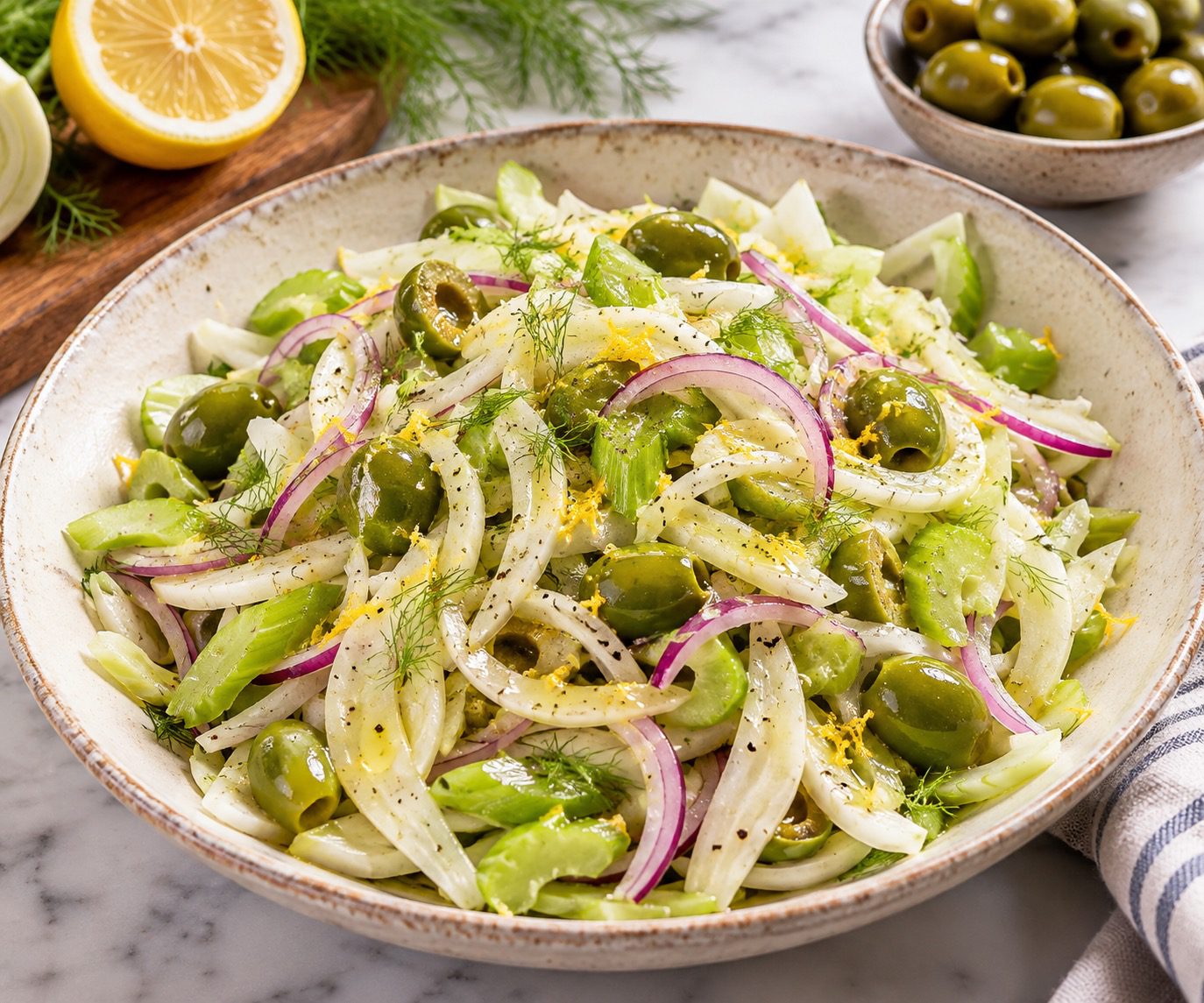
Fennel Olive Celery Salad

Fennel Olive Celery Salad

Fennel Olive Celery Salad

If you love the simple, vegetable-forward salads that have made New York’s Via Carota so popular, this one is for you. Inspired by that same rustic Italian approach to salad—where a handful of really good ingredients are allowed to shine—this version combines crisp fennel and celery with buttery Castelvetrano olives and thinly sliced red onion.
Everything gets tossed in a simple lemon and extra-virgin olive oil dressing. The result is crunchy, bright, briny and incredibly fresh. It’s the kind of salad that proves you don’t need a long ingredient list—or even lettuce—to make vegetables exciting.
Fennel brings a subtle sweetness and hint of anise, celery adds serious crunch, and Castelvetrano olives provide a mild, buttery saltiness that balances the acidity of fresh lemon. Serve it alongside grilled fish or chicken, add white beans for a more substantial plant-forward lunch, or put it on the table as part of an Italian-inspired spread.
Servings: 4 people
Course: Salad, Side Dish
Cuisine: Mediterranean
Calories: 165

Ingredients
  

  • 1 large fennel bulb trimmed and very thinly sliced
  • 4 large celery stalks thinly sliced on the diagonal
  • ¾ cup pitted Castelvetrano olives halved or roughly torn
  • ¼ small red onion very thinly sliced
  • 3 tablespoons extra-virgin olive oil
  • 2 tablespoons freshly squeezed lemon juice
  • ½ teaspoon finely grated lemon zest
  • ¼ teaspoon kosher or sea salt plus more to taste
  • Freshly ground black pepper
  • 2 tablespoons roughly chopped fennel fronds or celery leaves optional

Method
 

  1. Prep the vegetables. Remove the stalks from the fennel bulb, reserving some of the fronds if you'd like to use them as a garnish. Cut the bulb in half, remove the tough core and slice the fennel as thinly as possible. A mandoline works especially well here.
  2. Build the salad. Add the fennel to a large bowl along with the sliced celery, Castelvetrano olives and red onion.
  3. Make the lemon dressing. In a small bowl, whisk together the extra-virgin olive oil, lemon juice, lemon zest, salt and several grinds of black pepper.
  4. Toss. Pour the dressing over the vegetables and toss well so everything is lightly coated.
  5. Let the flavors mingle. Allow the salad to sit for about 5–10 minutes before serving. This takes a little of the sharpness out of the onion while allowing the fennel and celery to absorb the lemony dressing without losing their crunch.
  6. Finish and serve. Taste and adjust with additional lemon, salt or pepper if needed. Scatter fennel fronds or celery leaves over the top and serve.

Notes

Approximate Nutrition Per Serving

Calories: 165
Protein: 2 g
Total Carbohydrate: 11 g
Dietary Fiber: 4 g
Total Sugars: 4 g
Total Fat: 14 g
Saturated Fat: 2 g
Sodium: ~350 mg*
*The sodium content can vary considerably depending on the brand of Castelvetrano olives and whether they are rinsed before using.