Author: Rosanne Walsh

It Might Be Time to Get your Vitamin D Levels Checked

It Might Be Time to Get your Vitamin D Levels Checked

Have you had your Vitamin D levels checked lately? If you live anywhere North of Carolina, this PSA is for you…a friendly reminder that it is time and here is why…

As an RD, my mantra is usually a food first approach towards optimizing nutritional status or addressing deficiencies. But in the case of Vitamin D, research shows it is almost impossible to take in enough D3 to meet our needs. Over 1 billion people are estimated to be walking around deficient in Vitamin D as we speak (levels below <30 nmol/L). 

Normally in summer months, those of us living at a latitude north of 37 degrees with daily sun exposure have the capacity to make sufficient D to meet our bodies’ needs. But in the Fall and Winter, due to the angle of the sun and reduction in amount of UVB rays we are exposed to, our bodies are unable to produce what we need naturally. 

A growing body of research is associating suboptimal Vitamin D levels with higher risk for osteoporosis, depression, cognitive decline, cancer, diabetes, infections and autoimmune disease. Share this message with a friend who lives north of NC who could benefit from this important reminder on how to maintain their health as we head into winter. Click here to read more about Harvard School of Public Health’s recommendation on Vitamin D levels and supplementation.


.
What Role Does Food Play in PMS?

What Role Does Food Play in PMS?

What role does food play in addressing PMS? A pretty important one. PMS is aggravated by a deficiency in serotonin production, a neurotransmitter which is reliant on the essential amino acid tryptophan (meaning your body can not produce and you must consume exogenously). 

While coincidently as we approach Thanksgiving, one of the more well-known tryptophan-containing foods happens to be turkey, this essential amino acid can be found in many other dietary sources such as chicken and lamb, fish & shellfish (tuna, salmon, cod, shrimp), cheese and yogurt as well as nuts (almonds, walnuts, peanuts, cashews). 

It is found in so many foods you would think it is tough to under consume it right? Wrong. Many women consume insufficient calories in the name of dieting (especially carbohydrates, which are actually protein sparing to the body) and as a result, they are operating at a protein deficit. In what is considered a catabolic state, the body will prioritize protein intake for energy and if that is not enough even break down its own muscle stores if need be. Serotonin production will be marginal at best in this scenario. So next time you suffer from PMS related mood swings, depression or crying spells in the 2 weeks before your period, check in with yourself and make sure you are not just eating enough calories (healthy carbs like sweet potatoes, fruit, whole grains included) but also getting enough tryptophan rich protein in your diet. 

Let’s Talk About Iron Deficiency…

Let’s Talk About Iron Deficiency…

Iron deficiency is a worldwide problem…

According to the World Health Organization up to 80% of the world’s population suffers from iron deficiency. Iron is a critical mineral for the mind and body, involved in everything from keeping us feeling energized and maintaining our immune systems to helping provide restorative sleep and brain power.

What are the signs of iron deficiency?

– If you have ever shared a bed with your child and noticed a helicopter like movement in their sleeping position, (fall asleep side by side and by midnight they are perpendicular to you) low iron status could be the culprit. 
– Or maybe you notice when you are sleeping and find yourself tossing and turning, a key sign of restless leg syndrome. 
– Low iron status is also associated with poor focus and learning in kids, especially in subjects that require more concentration and brain power such as math. 
– Anxiety and depression can also be a sign of poor iron status, since iron is required by our bodies to make dopamine, a neurotransmitter critical for anxiety modulation

What do do if you suspect an iron deficiency…

– Check ferritin level via a blood test (ferritin is the protein that reflects storage levels of iron in the body) 
– Vary food sources as much as possible
– Supplement only if deficiency is discovered via lab test. Excess Iron is toxic – iron supplements should only be taken under the supervision of a qualified and licensed health care practitioner. 

Food first approach…

As with all nutrient deficiencies, a food first approach is always best. Work with a licensed health practitioner such as a registered dietitian nutritionist to assess your current status and recommend specific modifications to your eating patterns to ensure you have a balanced intake of heme and non heme iron sources as well as maximize absorption. Click here if you would like to schedule a complimentary 15 minute consultation to learn how a food first approach can help address your iron deficiency concerns whether they be poor energy, immune function, attention, focus, mood, anxiety and sleep.

Our Microbes Matter!

Our Microbes Matter!

Why Do our Microbes Matter?

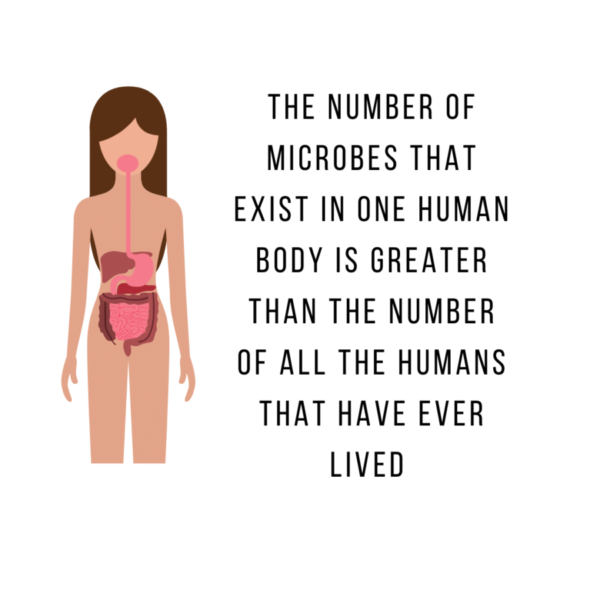
It is estimated that the average adult has 39 trillion microbial cells living in it, including within the gut microbiome as well as externally living on our skin. For some relative perspective, 117 billion members of our species have ever been born on Earth. 

Until fairly recently, it was difficult for researchers to fathom the significance of this number and relative importance of these microbial communities that live symbiotically with us. Over the past ten years, over $1.7 billion dollars have been spent on microbiome research, with no sign of investment in this area slowing down. In the past several years alone close to 1000 clinical trials studies have been conducted involving microbiome related research.

What is at the root of all this intense and expensive curiosity?

We must not forget, it was the Ancient Greek physician Hippocrates who said close to 2500 years ago “All Disease Begins in the Gut.” These words grounded in medical wisdom were a prescient prescription for preventative medicine and carry an incredibly profound message, and here is why:

The gut is where we interact with the world

The gut is the first point of contact with not just food, but all sorts of environmental “stuff” we come in contact with on a regular basis … bacteria, viruses, chemicals, etc. It is no coincidence that it is within the gut that 80% of the immune system resides.

When foods are consumed that can trigger inflammatory responses due to intolerances or food allergies, this can cause inflammation to occur in the lining of the GI tract, which is where food is absorbed into the body. Our gut lining, which covers over 4000 square feet of surface area, normally acts as a tight barrier that controls what gets into our bloodstream. However, chronic intestinal inflammation can cause the gut lining to breakdown, causing a condition known as “leaky gut syndrome.”

Eventually this can lead to alterations in the gut microbiome as bacteria can translocate to other parts of the body as well cause undigested food and other toxins to penetrate through the gut wall. As research continues to evolve in this area, we are learning more about the connection between what we eat, how our bodies and microbiome respond, and how it may play a role in the development of chronic diseases. But we don’t have to wait until the specific dots connecting underlying disease pathophysiologies are discovered. Instead we can all benefit from feeding our microbiomes the high fiber, whole foods based colorful and nourishing foods it needs to not just survive, but thrive and protect us from disease and inflammatory distress.

3 Essential Kitchen Tools

3 Essential Kitchen Tools

The notion of preparing quick, easy and nutrient dense meals may sound daunting and expensive to someone who doesn’t have time to cook or maybe is new at it. But it doesn’t have to be – start small with  a few essential tools that streamline the cooking process. The right tools in the kitchen will save you time time and money, as well as add lots of great flavor and nutrition to meals made at home. Here are 3 tools I use regularly in my kitchen that I highly recommend!

1.MICROPLANE Zester: Citrus peels have LOTS of nutritional value yet they are often discarded. Zest citrus with a quality microplane to add bold flavor and antioxidants to salads, dressings & marinades. Also use to finely grate Parmesan over pasta or soup. (I have had my Microplane brand zester for 10+ years and its just as sharp as ever)

2. SPIRALIZER : Prepared veggies begin spoiling and losing nutritional value when cut as oxidation sets in- by spiralizing your own you get fresher and better tasting produce.. Plus you save $$…I love my Paderno – which comes with 6 blades to allow varying levels of noodle thickness and shapes.

Check it out on Amazon:

3. GARLIC PRESS: Fresh pressed garlic is hands down the fastest way to add flavor when making pesto, tomato sauce and even mashed potatoes. Bonus – many of garlic’s health benefits are caused by sulfur compounds formed when it is crushed, chopped or chewed. (OXO makes a durable option which produces minimal waste)